
:max_bytes(150000):strip_icc()/Fast-Food-vs-Fast-Casual-FT-BLOG0724-eb2932bc82dc44bc9e3858d69d581b1a.jpg "Fast Food Restaurants vs Casual Dining: Key Differences")
Fast Food Restaurants vs Casual Dining. When it comes to eating out, people often find themselves choosing between fast food restaurants and casual dining establishments.
While both serve delicious meals, the dining experience, menu offerings, pricing, service, and even nutritional content can vary significantly. Understanding these differences is key to making informed choices, whether you’re planning a quick lunch, a family dinner, or simply budgeting your meals.
In this article, we’ll explore the major differences between fast food and casual dining, why each appeals to different diners, and how to choose the best option for your needs.
1. Defining Fast Food Restaurants
Fast food restaurants are designed for speed, convenience, and affordability. They typically focus on quick service, standardized menu items, and limited table service.
Characteristics of Fast Food Restaurants
- Quick Service: Meals are prepared and served rapidly, often within a few minutes of ordering.
- Standardized Menus: Many fast food chains maintain consistent menus across locations, offering familiar items such as burgers, fries, chicken sandwiches, and soft drinks.
- Drive-Thru and Takeout Options: Fast food chains often emphasize convenience, with drive-thru windows, mobile ordering, and curbside pickup.
- Lower Price Point: Fast food meals are generally cheaper than casual dining, making them ideal for budget-conscious diners.
- Limited Ambiance: Seating and decor are minimal, focusing more on function than atmosphere.
Popular examples of fast food restaurants include McDonald’s, Wendy’s, Taco Bell, and Chick-fil-A. These establishments cater to customers in a hurry, often during lunch breaks or on-the-go meals.
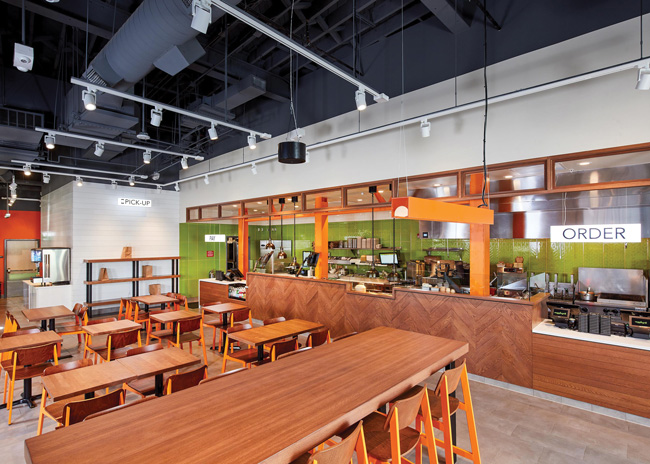
2. Defining Casual Dining Restaurants
Casual dining restaurants provide a more relaxed, sit-down experience with full-service options. These establishments emphasize comfort, a diverse menu, and a welcoming atmosphere.
Characteristics of Casual Dining Restaurants
- Full Table Service: Servers take orders, bring drinks, and handle billing, creating a more leisurely dining experience.
- Extensive Menus: Casual dining menus often feature a wide range of options, including appetizers, salads, entrees, desserts, and beverages.
- Higher Price Point: Meals are generally more expensive than fast food due to higher-quality ingredients, service, and ambiance.
- Dining Experience: Decor, music, and seating arrangements are designed for comfort and social interaction.
- Alcohol Options: Many casual dining establishments serve beer, wine, and cocktails.
Chains like Olive Garden, Applebee’s, Chili’s, and Red Robin fall into this category, offering meals suitable for families, groups, or business lunches.
3. Menu Differences
The most noticeable difference between fast food and casual dining lies in the menu.
Fast Food Menus
- Focus on quick, mass-produced items.
- Limited customization, though some chains allow minor substitutions.
- Items are often pre-prepared or partially cooked, ready to assemble quickly.
- Menu items tend to be smaller in portion size but may include combo meals for convenience.
Casual Dining Menus
- Offer diverse options, including soups, salads, grilled meats, seafood, pasta, vegetarian dishes, and desserts.
- Customizable meals are more common, allowing diners to request ingredient substitutions or cooking preferences.
- Portion sizes are generally larger and plated with attention to presentation.
- Many casual dining restaurants emphasize seasonal or fresh ingredients, sometimes locally sourced.
For diners seeking variety and quality, casual dining is often the preferred choice. Fast food excels for familiarity, consistency, and speed.
4. Service and Dining Experience
The level of service is another key differentiator.
Fast Food Service
- Minimal interaction with staff. Orders are typically placed at the counter, drive-thru, or kiosk.
- Self-service is common, including picking up trays, refilling drinks, and disposing of trash.
- Meals are designed for efficiency rather than leisure, catering to diners with limited time.
Casual Dining Service
- Table service includes servers who take orders, provide recommendations, and attend to customer needs throughout the meal.
- The focus is on creating a comfortable, enjoyable dining experience.
- Staff may also offer wine pairings, dessert suggestions, and attentive service that enhances the overall experience.
Essentially, fast food prioritizes speed, while casual dining emphasizes comfort and customer interaction.
5. Pricing and Value
Price is often a decisive factor when choosing between fast food and casual dining.
Fast Food Pricing
- Meals are generally low-cost, often under $10 per person.
- Value meals or combo deals offer affordable, filling options.
- Lower prices are possible due to mass production, pre-prepared ingredients, and minimal service.
Casual Dining Pricing
- Meals typically range from $10 to $30 per person, depending on location and menu items.
- Higher prices reflect service quality, ambiance, ingredient sourcing, and larger portions.
- Many casual dining restaurants also offer specials, happy hours, and promotions to attract budget-conscious diners.
While casual dining costs more, it provides a full dining experience with attention to detail, quality, and presentation.

6. Nutritional Differences
Health and nutrition are increasingly important considerations. Fast food and casual dining differ significantly in their nutritional profiles.
Fast Food Nutrition
- Often high in calories, sodium, and fat due to frying and processed ingredients.
- Portion sizes are smaller, but combo meals with fries and drinks can quickly exceed daily calorie limits.
- Menu labeling and nutritional information are often available, helping diners make informed choices.
Casual Dining Nutrition
- Casual dining meals can vary widely in nutrition. While some dishes are high in calories and fat, options like grilled proteins, salads, and vegetable-based sides offer healthier alternatives.
- Larger portions can result in higher overall calorie intake, so portion control is important.
- Many restaurants provide nutritional information online, allowing diners to select meals aligned with dietary goals.
For health-conscious diners, making mindful choices is key at both types of restaurants.
7. Ambiance and Atmosphere
Ambiance affects the overall dining experience, and this is where fast food and casual dining differ significantly.
Fast Food Ambiance
- Minimal decor and functional seating.
- Designed for efficiency and high customer turnover.
- Noise levels may be higher due to self-service setups and high traffic.
- Lighting is often bright, emphasizing visibility over mood.
Casual Dining Ambiance
- Comfortable seating, mood lighting, and décor create a welcoming atmosphere.
- Restaurants often encourage social interaction, family dining, and leisurely meals.
- Music, table settings, and even outdoor patios contribute to the overall dining experience.
If ambiance and experience are important, casual dining often provides a more enjoyable environment.
Convenience Factor
Convenience is a major reason people choose fast food.
Fast Food Convenience
- Quick service and minimal wait times.
- Drive-thru, mobile app ordering, and curbside pickup make dining effortless.
- Ideal for busy schedules, commuting, or last-minute meals.
Casual Dining Convenience
- Slower service due to table service and meal preparation.
- Requires reservation or wait times during peak hours.
- Dining is often planned as a sit-down experience rather than a grab-and-go option.
Fast food wins for speed, while casual dining focuses on leisure and comfort.
Target Audience and Demographics
Fast food and casual dining often appeal to different audiences:
- Fast Food: Appeals to busy individuals, families on a budget, students, and commuters. The emphasis is on speed, affordability, and convenience.
- Casual Dining: Attracts families, groups, business diners, and date nights, focusing on ambiance, service, and a more complete meal experience.
Understanding who each style serves helps restaurants tailor menus and marketing strategies.
Special Features and Loyalty Programs
Both types of restaurants offer unique perks to attract customers:
- Fast Food: Frequent promotions, limited-time menu items, app-based deals, and loyalty programs encourage repeat visits.
- Casual Dining: Reward programs, seasonal specials, and events like happy hours or family nights incentivize diners while providing a full-service experience.
Loyalty programs can influence where diners spend their money, balancing price, convenience, and experience.
Making the Right Choice
Choosing between fast food and casual dining depends on several factors:
- Time: Fast food is ideal for quick meals; casual dining is better for a relaxed experience.
- Budget: Fast food is cheaper; casual dining costs more but offers ambiance and variety.
- Nutrition: Fast food can be high in calories but manageable with careful choices; casual dining offers diverse options, allowing for healthier selections if mindful.
- Experience: If you value a social atmosphere and service, casual dining is preferable. For efficiency, fast food wins.
- Occasion: Grab-and-go meals favor fast food, while celebrations, family dinners, or business lunches lean toward casual dining.
By assessing your priorities, you can select the restaurant style that best meets your needs.
Conclusion
While both fast food and casual dining provide enjoyable meals, they cater to different needs, occasions, and lifestyles. Fast food prioritizes speed, convenience, and affordability, making it ideal for busy schedules or budget-conscious diners. Casual dining emphasizes service, ambiance, and variety, offering a relaxed experience that often justifies higher costs.
Menu variety, portion sizes, nutritional content, and atmosphere all contribute to the overall dining experience. Understanding these differences empowers diners to make informed choices, whether seeking a quick bite, a family meal, or a leisurely dining experience.
Ultimately, the “right” choice depends on your time, budget, nutritional goals, and dining preferences. By knowing what each restaurant style offers, you can enjoy delicious food while making decisions that fit your lifestyle.
About the Author


