

True Cost of Car Ownership in 2026, Buying a car feels like a major milestone in life. You imagine the freedom of the open road. However, the price tag on the window tells only half the story. In 2026, vehicle ownership involves complex financial layers that many buyers overlook. This article explores the hidden expenses that drain your bank account every month.
Modern vehicles are more advanced than ever before. This technology brings comfort but also comes with a hefty price. Most consumers focus solely on their monthly loan payments. Unfortunately, this narrow focus leads to significant financial stress down the line. You must look beyond the initial purchase price to understand the true impact.
What is interesting is how much the landscape has shifted recently. Supply chain stability has returned, yet prices remain high. Inflation continues to affect every aspect of vehicle maintenance and operation. Consequently, owning a car in 2026 requires a more strategic financial approach than in previous decades.
The Stealthy Drain of Rapid Depreciation
Depreciation remains the largest hidden cost of owning any vehicle. The moment you drive off the lot, your asset loses value. In 2026, some electric vehicles lose value faster than traditional models. This reality catches many new owners by surprise when they try to trade in. You basically pay for the privilege of being the first owner.
Market trends show that luxury vehicles suffer the most significant drops. Some high-end models lose forty percent of their value within three years. This loss happens silently without affecting your daily cash flow. However, it hits your net worth with incredible force when you decide to sell. Smart buyers often look for three-year-old certified pre-owned vehicles instead.
In addition, the rapid pace of technological updates accelerates this trend. Newer software and battery tech make older models feel obsolete quickly. Buyers now prioritize the latest connectivity features and safety sensors. Because of this, older hardware loses its appeal on the secondary market. You should research the historical resale value of any brand before committing.
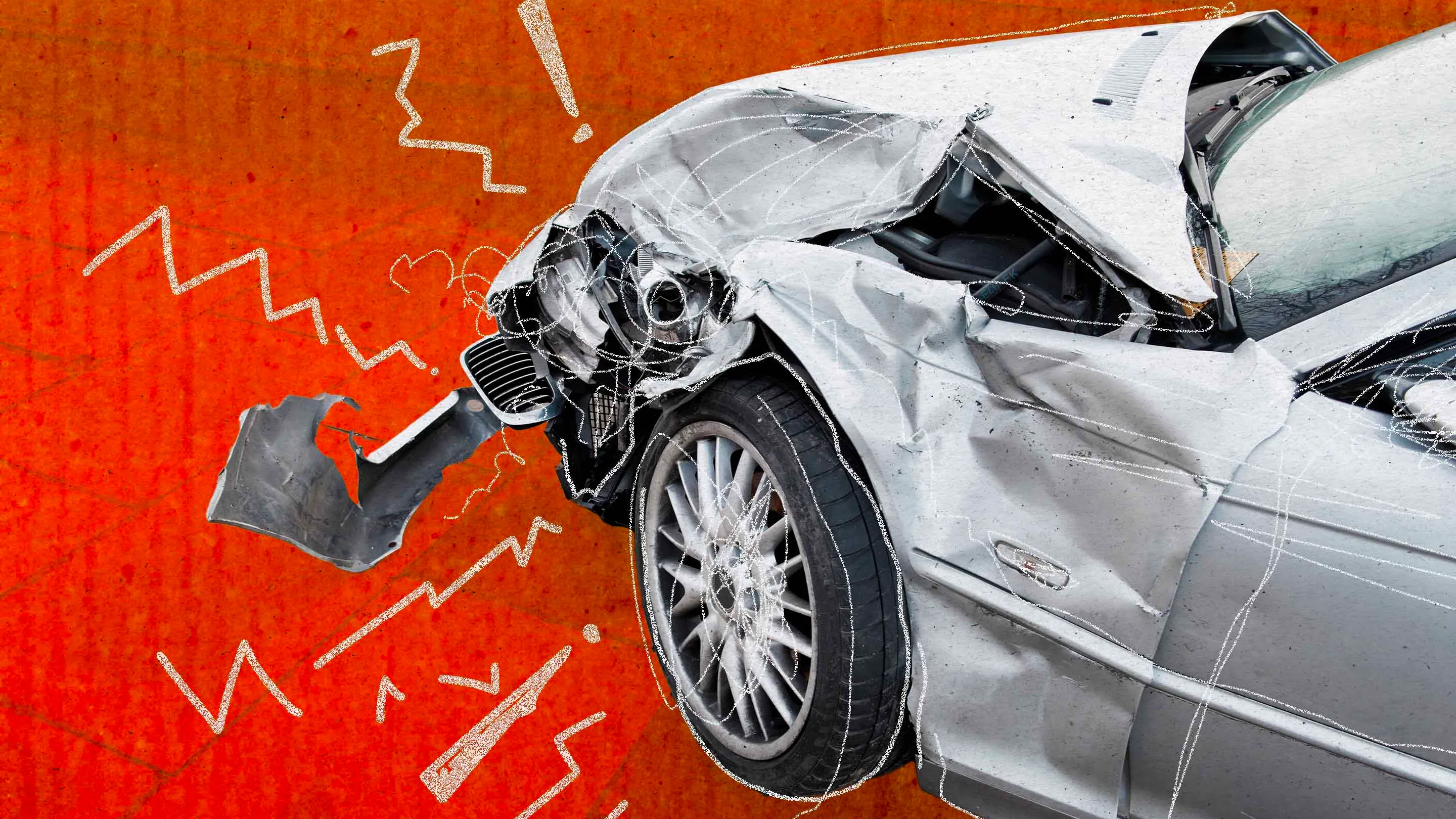
Insurance Premiums in a High-Tech Era
Insurance costs have skyrocketed over the last few years. Advanced driver-assistance systems use expensive sensors located in bumpers and mirrors. Even a minor fender bender now requires thousands of dollars in repairs. Insurance companies pass these rising repair costs directly to the consumer. Consequently, your monthly premium might exceed your expectations by a wide margin.
Location plays a massive role in your specific insurance rates. Urban areas with high theft rates command the highest prices. Furthermore, climate-related events are driving up premiums in many regions. Frequent storms and flooding increase the risk for all local drivers. You must get a quote before you finalize your vehicle purchase.
Furthermore, your driving data now influences what you pay monthly. Many 2026 models track your braking, speed, and cornering habits. Opting into these programs can save you money if you drive safely. However, aggressive driving patterns will lead to immediate price hikes. Privacy concerns aside, your behavior behind the wheel is now a financial metric.
The Maintenance Reality of Modern Engines
Maintenance schedules look different for 2026 vehicle models. Synthetic oils allow for longer intervals between service visits. While this sounds cheaper, individual service appointments have become more expensive. Specialized tools and diagnostic software require highly trained technicians. You can no longer perform most repairs in your own garage.
Tire replacement is another significant expense that people often forget. Modern cars often use larger wheels with low-profile tires. These tires offer great performance but wear out faster on rough roads. Replacing a set of four performance tires can easily cost over one thousand dollars. You must budget for these recurring costs to avoid financial shocks.
What is surprising is the cost of software subscriptions. Many manufacturers now charge monthly fees for basic features. You might pay extra for heated seats or advanced navigation. These “features as a service” add a new layer to your maintenance budget. Check which features require a recurring payment before signing the contract.
Energy Costs and the Fueling Divide
Fuel and electricity prices fluctuate based on global events. While electric vehicles offer lower per-mile costs, charging isn’t always cheap. Public fast-charging stations often charge a premium for their convenience. If you cannot charge at home, your savings might vanish. You need to calculate your specific energy needs based on your daily commute.
Internal combustion engines still face rising costs at the pump. Environmental regulations and taxes continue to influence the price of gasoline. Even fuel-efficient hybrids require a steady stream of capital to keep running. Most drivers underestimate their annual fuel consumption by at least twenty percent. Keeping a detailed log helps you track these actual expenses accurately.
Moreover, the cost of home charging infrastructure is an initial hurdle. Installing a Level 2 charger requires an upfront investment in your home. This upgrade often requires a professional electrician and local permits. While this increases home value, it adds to the total cost of ownership. You should include this installation in your first-year car budget.
Registration Taxes and Hidden Government Fees
Governments are finding new ways to tax vehicle owners in 2026. Many states have introduced higher registration fees for electric vehicles. These fees compensate for the loss of gas tax revenue used for roads. Depending on your location, these annual fees can be quite substantial. You should check your local DMV website for current fee schedules.
Ad valorem taxes are another sneaky expense in many jurisdictions. This tax is based on the current market value of your vehicle. Since cars are expensive in 2026, these taxes are equally high. This bill usually arrives once a year and requires a lump sum payment. Failing to plan for this can ruin your monthly budget.
In addition, urban drivers must account for tolls and parking permits. Many cities now use congestion pricing to manage heavy traffic flow. These daily charges add up to thousands of dollars over a single year. Parking in major cities also costs more than it did five years ago. Consider these local factors as part of your total mobility cost.

The Opportunity Cost of Your Capital
Money tied up in a car is money not earning interest. If you pay cash, you lose the potential gains from investments. If you finance, you pay interest to the lending institution. In 2026, interest rates remain higher than the historical lows of the past. This interest represents a significant portion of your total expenditure.
Longer loan terms are becoming more common to keep payments low. However, an eighty-four-month loan means you pay much more in total interest. You might also end up “underwater” on your loan very quickly. This happens when you owe more than the car is actually worth. This situation limits your flexibility if your financial needs change suddenly.
Furthermore, consider what that money could achieve in a savings account. Even a modest five percent return adds up significantly over five years. Every dollar spent on a depreciating car is a dollar lost to growth. You should weigh the emotional benefit of a new car against financial goals. Balancing your desires with your long-term wealth is a vital skill.
Unexpected Repairs and the Out of Warranty Gap
Modern cars are reliable but extremely complex to fix when they break. Once the manufacturer warranty expires, you face significant financial risks. A single sensor failure can disable the entire vehicle safety system. These repairs often require proprietary parts that are difficult to source. This complexity drives up labor hours and final repair bills.
Extended warranties are an option but they also cost money upfront. You must read the fine print to see what is actually covered. Many third-party warranties exclude the most expensive components like battery packs. In 2026, the risk of electronic failure outweighs mechanical engine issues. You need an emergency fund specifically for these high-tech repairs.
In addition, the time spent at the repair shop has a cost. If you lack a backup vehicle, you must pay for a rental. Many insurance policies only cover rentals for a limited time during accidents. Mechanical breakdowns often leave you paying for transportation out of pocket. This inconvenience adds a layer of stress to the financial burden.
Final Thoughts on Smart Ownership
Owning a car in 2026 is a luxury that requires careful planning. By looking at the big picture, you can avoid common traps. Do not let a low monthly payment lure you into a bad deal. Calculate depreciation, insurance, and maintenance before you sign any paperwork. This proactive approach ensures that your car remains a tool, not a burden.
Knowledge is your best weapon against rising automotive costs. Research the specific model’s reliability and average repair costs online. Speak with current owners to get an honest view of daily expenses. When you understand the true cost, you make better financial decisions. Your future self will thank you for being so diligent today.
Ultimately, the best car is one you can actually afford. This means having money left over for savings and personal enjoyment. Do not sacrifice your financial freedom for a shiny new hood ornament. Choose a vehicle that fits your lifestyle and your long-term budget. Happy driving starts with a clear and honest financial perspective.
About the Author





