
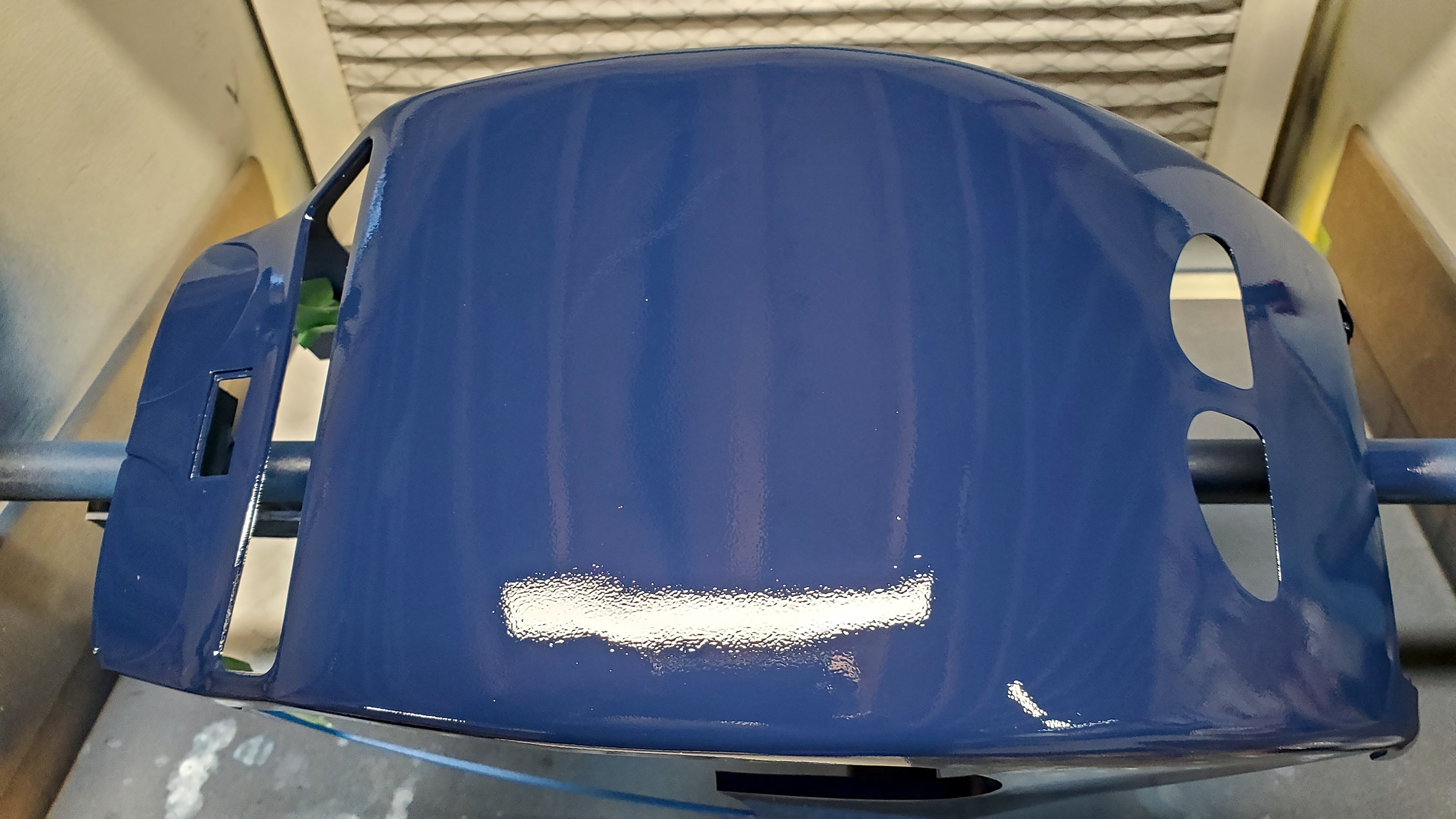
Why 2K Clear Coat is Essential for Permanent Paint Repair, Achieving a professional finish on a vehicle requires more than just a steady hand and quality color.
Many car enthusiasts and DIY repairers often wonder why their touch-up work fails after just a few months. The secret usually lies in the final layer of protection applied over the base color.
Understanding the chemistry behind your paint supplies can mean the difference between a temporary fix and a lifetime repair. This article explores why 2K clear coat remains the gold standard for automotive restoration and long-term durability.
The Science of Automotive Protection
A 2K clear coat consists of two distinct components that create a powerful chemical reaction. Unlike standard paints, it relies on a resin and an integrated hardener or activator to dry. Once you mix these two parts, a process called cross-linking begins at a molecular level. This creates a dense, plastic-like shield that traditional air-dry paints simply cannot match. Furthermore, this chemical bond ensures the surface remains impervious to most environmental contaminants and harsh cleaning chemicals.

Understanding the Difference Between 1K and 2K
The primary distinction between 1K and 2K products involves how they reach a solid state. A 1K clear coat dries through solvent evaporation, meaning it stays somewhat soft and porous even after drying. It remains susceptible to being “re-activated” if you spill gasoline or strong solvents on the surface. In contrast, 2K clear coat undergoes a permanent chemical transformation that creates a much harder finish. This makes the 2K version far more suitable for parts exposed to the elements.
Chemical Resistance and Fuel Spills
One of the most significant advantages of 2K technology is its incredible resistance to petroleum products. If you use a 1K clear coat on a motorcycle tank, a single gasoline drip will ruin it. The fuel will dissolve the paint, causing it to wrinkle or peel away instantly. However, a properly cured 2K clear coat resists gasoline, oil, and even some paint thinners. This level of protection is vital for any area of the car that encounters fluids regularly.
Superior UV Protection and Color Retention
The sun acts as the primary enemy of any automotive paint job over long periods. Ultraviolet rays break down the chemical bonds in paint, leading to fading, chalking, and eventual clear coat failure. Manufacturers formulate 2K clear coats with high concentrations of UV inhibitors to block these damaging rays. This ensures that the color underneath stays vibrant for years rather than just a few seasons. Additionally, the thickness of the 2K layer provides a deeper, glossier shine that enhances the vehicle’s aesthetics.
Preventing Oxidation and Peeling
Lower-quality clear coats often suffer from delamination, which looks like peeling skin on a car’s surface. This usually happens when moisture and oxygen penetrate a porous 1K finish and reach the metal. Because 2K clear coat creates a non-porous barrier, it effectively seals out the oxygen required for rust. It grips the base coat with much more tenacity than standard aerosol paints can provide. Consequently, the likelihood of the paint lifting or bubbling over time decreases significantly with 2K products.
The Professional Finish for DIY Enthusiasts
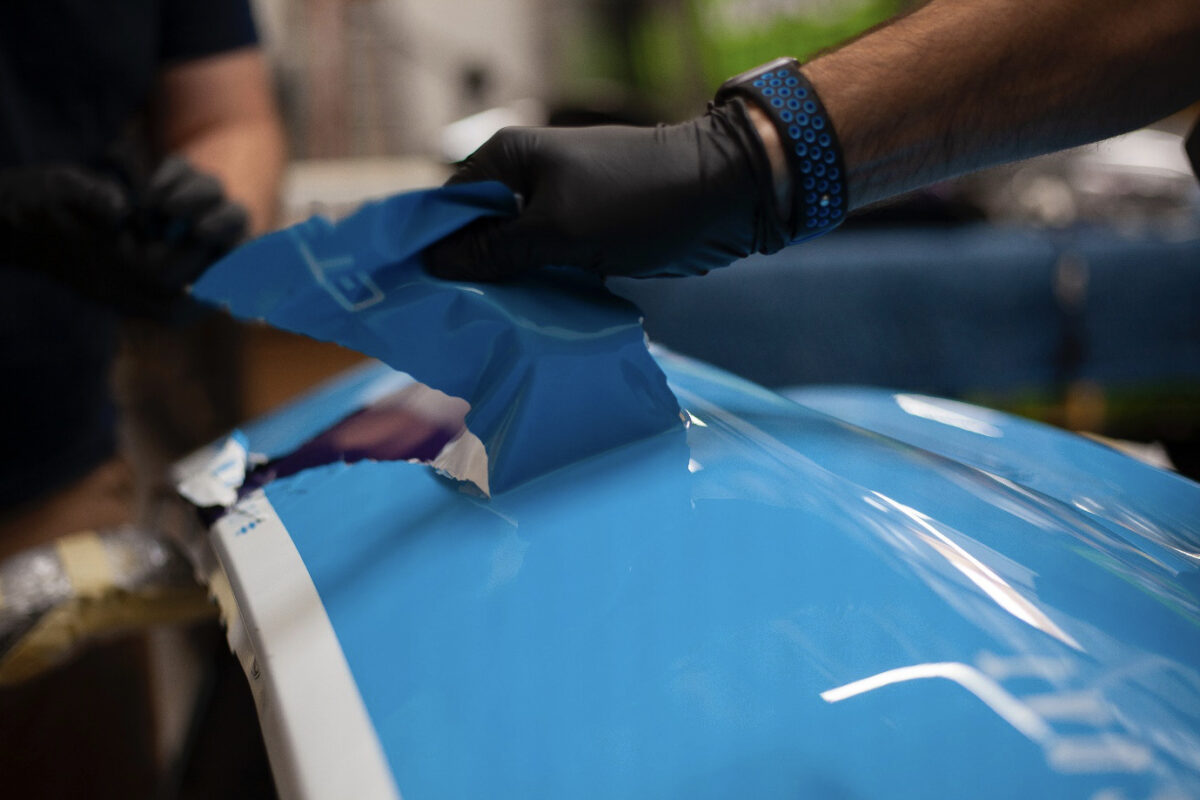
In the past, only professional body shops with expensive spray guns could apply 2K clear coats. Recent innovations have brought this technology to the consumer market in the form of specialized aerosol cans. These cans feature a unique internal plunger that releases the hardener into the resin when activated. This allows hobbyists to achieve a professional-grade finish without owning a high-volume compressor or a spray booth. In addition, these aerosols offer adjustable nozzles that mimic the spray pattern of professional equipment.
Ease of Buffing and Polishing
High-quality 2K clear coats dry to a level of hardness that allows for aggressive wet sanding and buffing. If you notice “orange peel” or dust nibs in your finish, you can easily sand them out. The material is thick enough to withstand leveling without sanding through to the base color. Once polished, the finish mirrors the look of a factory-new vehicle from the showroom floor. Furthermore, the gloss level stays consistent and does not “die back” or dull as the solvents finish evaporating.
Safety and Application Best Practices
Working with 2K clear coat requires a higher level of safety awareness than standard household spray paints. The hardeners in these products often contain isocyanates, which can be harmful if inhaled or touched. You must always wear a properly fitted respirator with organic vapor cartridges during the application process. Furthermore, ensure you are working in a well-ventilated area away from living spaces or pets. Using nitrile gloves and protective eyewear will also prevent the chemicals from contacting your skin or eyes.
Preparation for a Permanent Bond
The success of a 2K clear coat depends heavily on the preparation of the surface underneath. You must ensure the base coat is clean and free of any oils or fingerprints before spraying. Most professionals recommend applying the clear coat within a specific “window” after the base color has dried. This allows the two layers to bond chemically, creating a unified structure that will not separate. What’s interesting is that skipping these small steps can compromise even the highest-quality 2K products.

Longevity and Resale Value
Investing in a 2K clear coat is ultimately an investment in the value of your vehicle. A repair that looks obvious or fails within a year will significantly hurt the resale price. Potential buyers look for a finish that matches the texture and durability of the original factory paint. By using 2K products, you ensure the repair remains invisible and durable for the next owner. In addition, the increased resistance to rock chips and scratches keeps the car looking newer for longer.
Why 2K is Cost-Effective in the Long Run
While 2K clear coat costs more upfront than 1K alternatives, it saves money over time. A 1K repair often requires redo work every couple of years due to fading or mechanical damage. The labor and material costs of repeated repairs quickly exceed the price of a single 2K application. By doing the job correctly the first time, you save hours of frustration and extra material expenses. Choosing the right clear coat reflects a commitment to quality and craftsmanship in your automotive projects.
Final Thoughts on 2K Technology
The automotive industry continues to evolve, but the need for durable protection remains a constant factor. 2K clear coat provides the hard, glossy, and resilient finish that modern vehicles require for daily use. Whether you are fixing a small scratch or repainting an entire panel, this material is indispensable. It bridges the gap between amateur results and a professional, long-lasting restoration. Embrace the power of 2K chemistry to ensure your paint repairs stand the test of time.
About the Author




