
Top 10 Fast Food Restaurants in the U.S. for 2026. Fast food is more than just a convenience—it’s a culinary cornerstone of American culture.
From breakfast burritos on the go to late‑night burgers and fried chicken favorites, fast food restaurants have adapted and expanded to meet evolving tastes, dietary trends, and lifestyle demands.
As we head into 2026, certain chains continue to dominate the market, thanks to their strong brand recognition, innovative menus, digital ordering systems, and ability to stay ahead of consumer preferences.
In this article, we’ll explore the top 10 fast food restaurants in the U.S. for 2026, explaining what sets them apart and why they continue to attract loyal customers. Rankings are based on recent industry data, sales figures, and widespread popularity among consumers and analysts.
1. McDonald’s
McDonald’s remains the undisputed king of fast food in the U.S. in 2026. With tens of thousands of locations across the country and a brand presence in over 100 nations, McDonald’s continues to lead the industry in sales and accessibility.
Part of McDonald’s enduring success lies in its ability to adapt and innovate while maintaining beloved classics like the Big Mac, Quarter Pounder, and McNuggets. Recent efforts include revamping its chicken offerings—introducing items like McCrispy Tenders—to compete with rival chicken chains and respond to shifting preferences.
McDonald’s also excels in marketing, digital ordering technology, drive‑thru efficiency, and value meal promotions. With aggressive expansion goals—targeting more restaurants and enhanced menu personalization—it remains a top choice for quick, familiar meals on the go.
2. Starbucks
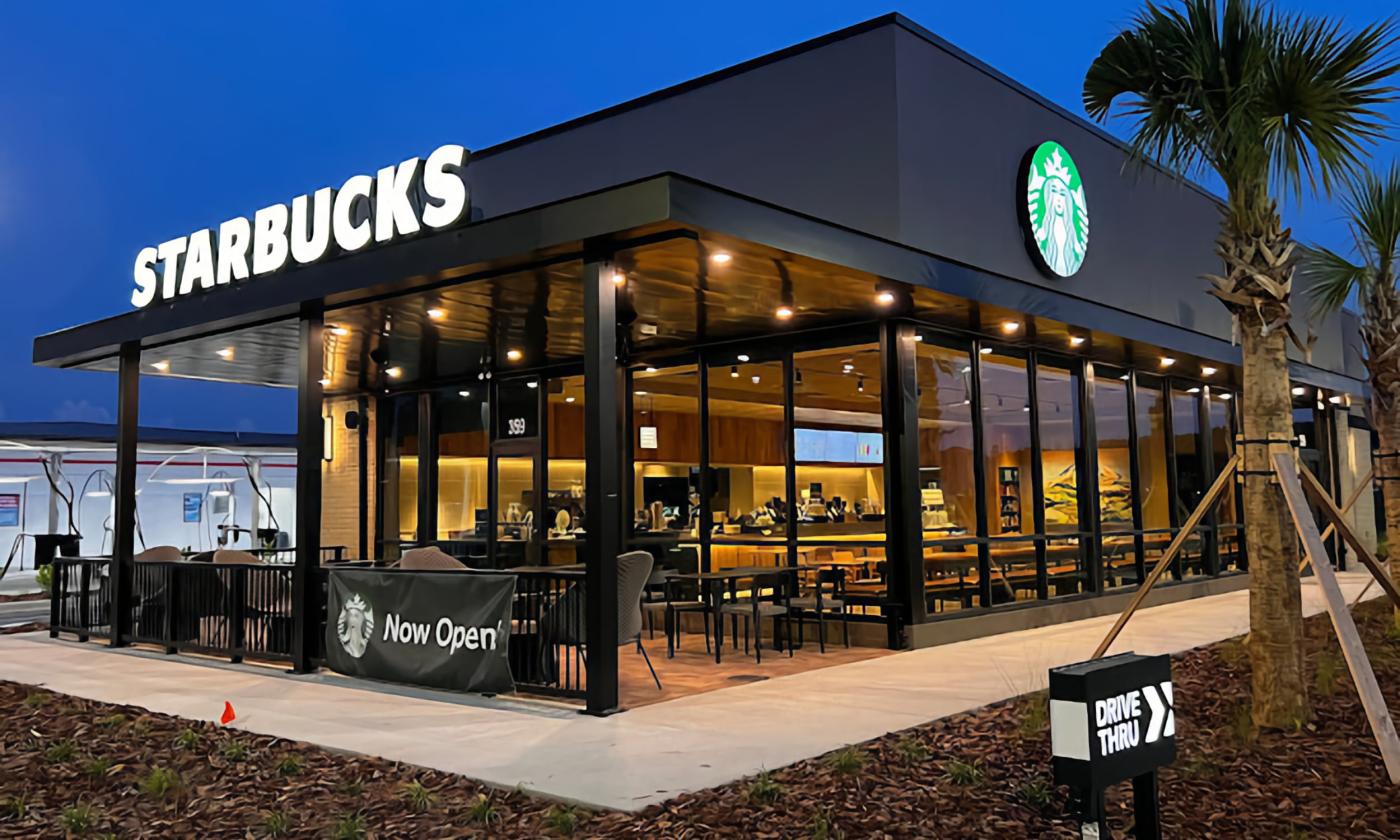
While not a traditional burger and fries joint, Starbucks ranks near the top of fast food popularity due to its dominance in beverage and quick bites sectors. Millions of Americans rely on Starbucks daily for coffee, breakfast sandwiches, pastries, and grab‑and‑go snacks, making it one of the most profitable and recognizable fast food chains.
Starbucks’ success is bolstered by its robust loyalty program, seasonal beverage launches, and expansive presence in urban centers, shopping districts, and commuter hubs. For many consumers, Starbucks functions as both a breakfast stop and a workspace—solidifying its fast food relevance in 2026.
3. Chick‑fil‑A
Chick‑fil‑A continues to capture the hearts and appetites of Americans with its high‑quality chicken sandwiches, exceptional customer service, and brand loyalty. Despite having fewer locations than some competitors and closing on Sundays, Chick‑fil‑A consistently ranks among the top in sales per restaurant nationwide.
Known for its original chicken sandwich, waffle fries, and refined approach to fast food chicken, Chick‑fil‑A has transformed from a regional favorite into a powerhouse with national appeal. Its ability to balance premium ingredients with efficient service keeps it high on customers’ lists in 2026.
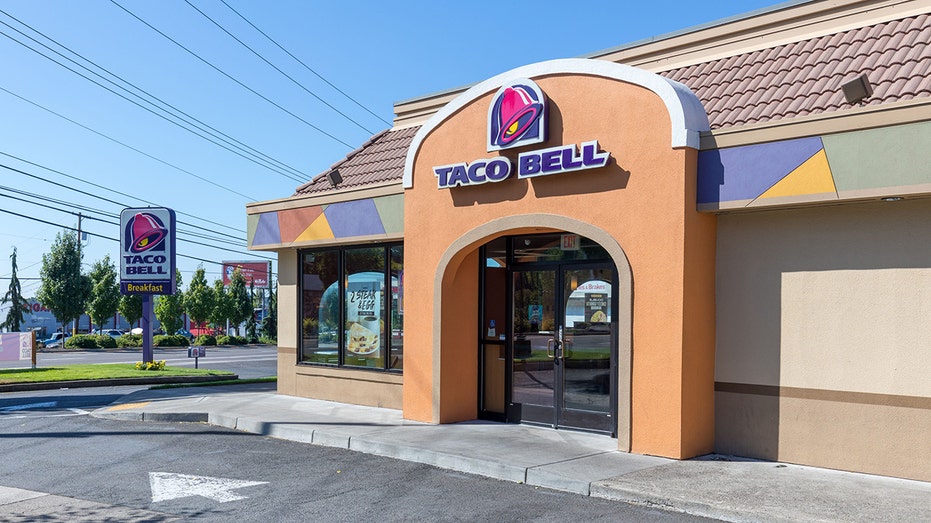
4. Taco Bell
Taco Bell has long been a leader in value and menu creativity. With a range of affordable tacos, burritos, quesadillas, and limited‑time innovations, the chain attracts a broad demographic—especially younger consumers seeking bold flavors.
Taco Bell’s success comes from its ability to blend classic Mexican‑inspired offerings with modern twists, such as Doritos®‑locos tacos and customizable menu options. It also leans into late‑night dining trends and delivery partnerships, making it one of the most relevant fast food brands for a wide range of occasions.
5. Wendy’s
Wendy’s continues to earn its place among the top fast food chains in 2026 by focusing on fresh, never frozen beef, a diverse menu, and a strong social media presence.
Underpinning Wendy’s popularity is its commitment to quality ingredients and a menu that appeals to both traditional fast food lovers and those looking for slightly more premium offerings. From the iconic Dave’s Single to spicy chicken sandwiches and salads, Wendy’s maintains relevance with both longtime and new customers.
6. Dunkin’
Dunkin’ (formerly Dunkin’ Donuts) dominates the breakfast and snack segment of the fast food world. With strong brand loyalty, a comprehensive mobile app, and wide availability, Dunkin’ consistently ranks among the top chains for sales.
While coffee remains its core product, Dunkin’ has expanded its menu to include breakfast sandwiches, wraps, and savory snacks that appeal throughout the day. Its value, convenience, and speed—especially for commuters and morning routines—keep it competitive in the evolving fast food landscape.
7. Chipotle Mexican Grill
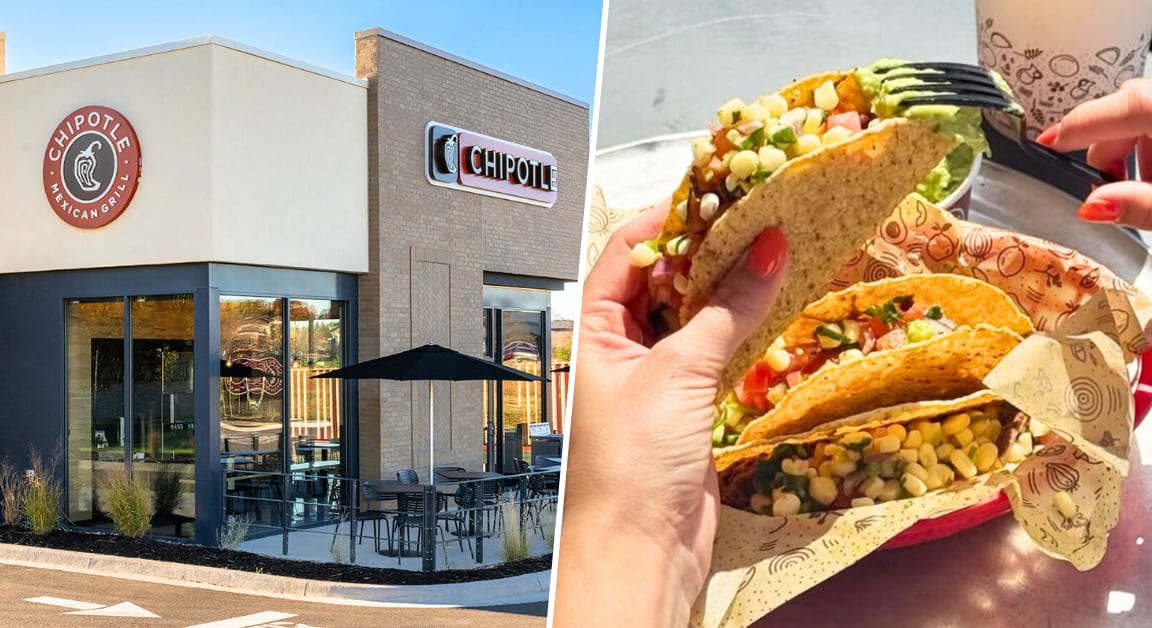
Though technically considered “fast casual,” Chipotle deserves mention on any list of top fast food restaurants due to its massive popularity and ongoing growth in 2026. It combines the speed of fast food with higher‑quality ingredients and customizable meals.
Chipotle’s model emphasizes fresh produce, responsibly sourced proteins, and a build‑your‑own format that resonates with health‑conscious and convenience‑seeking diners alike. Burritos, bowls, and salads remain staples, and the brand’s focus on transparency and sustainability has helped it retain a strong position in the market.
8. Burger King
Burger King continues to hold a solid rank among the country’s most popular fast food brands, thanks largely to iconic menu items like the Whopper and flame‑grilled burgers.
While its growth and sales might trail behind some competitors, Burger King maintains a loyal fan base and frequent promotional campaigns. Its menu diversity—including chicken sandwiches, breakfast items, and plant‑based alternatives—helps it stay relevant to evolving consumer preferences.
9. Subway
Subway has long been one of the most widespread fast food chains in the U.S., known for its customizable sandwiches and perceived focus on healthier options.
Although Subway’s number of locations has fluctuated, its brand recognition and customizable format remain strong. Options like build‑your‑own subs with fresh vegetables and lean proteins have helped it stay relevant, especially among consumers seeking lighter or more customizable fast food choices.
10. Domino’s
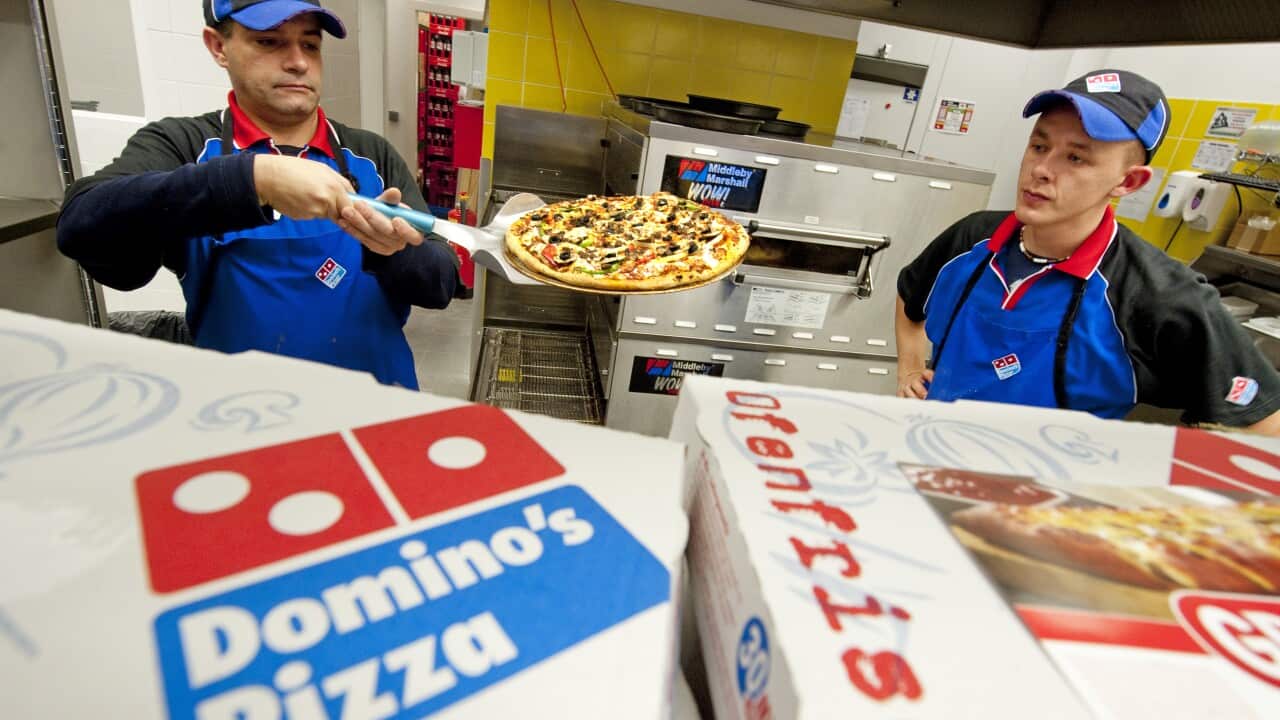
Pizza is undeniably part of the fast food world, and Domino’s Pizza has secured its place as one of the top chains in the U.S. in 2026.
Domino’s success stems from its emphasis on technology‑driven delivery, efficient online ordering, and consistent product quality. With pizza favorites, specialty items, and value deals, Domino’s appeals to families, group gatherings, and convenience‑focused consumers. Its robust delivery infrastructure has helped it thrive even as food delivery becomes more commonplace.
Honorable Mentions and Emerging Trends
While the above list reflects the most dominant fast food brands in the U.S. in 2026, several other chains deserve mention for growth or niche popularity:
Panda Express has been expanding steadily, offering quick Chinese‑inspired meals with wide U.S. presence.
Starbucks’ competitor brands and fast snack chains like Dutch Bros and Tropical Smoothie Café also show strong performance in specific segments.
Meanwhile, international brands like Mixue Ice Cream & Tea, known globally for affordable ice cream and bubble tea, are entering U.S. markets in 2026 and could influence the broader fast food landscape in coming years.
Regional favorites such as Raising Cane’s, which recently experienced rapid growth in the chicken segment, also continue to attract attention, potentially expanding into the national spotlight.
Why These Chains Thrive in 2026
So what keeps these fast food restaurants at the top of the list in 2026? Several overarching trends and strategies contribute:
Menu Innovation: Chains that regularly update their menus—whether with plant‑based options, limited‑time items, or trend‑driven flavors—tend to attract repeat customers. McDonald’s and Taco Bell excel in this space with seasonal and bold flavor launches.
Digital and Delivery Integration: Online ordering, mobile apps, loyalty programs, and delivery partnerships have become essential. Domino’s, Starbucks, and McDonald’s have invested heavily in tech, making it easier than ever for customers to order and enjoy their favorite meals.
Value and Customization: Fast food is increasingly about the balance between affordability and personalization. Customizable formats—from Subway subs to Chipotle bowls—provide diners control over ingredients, portion sizes, and dietary preferences.
Brand Loyalty: Consistent quality, recognizable branding, and emotional connections through marketing keep customers returning. Chick‑fil‑A, for example, enjoys extraordinary loyalty despite limited operating hours.
Operational Efficiency: Fast food chains that streamline operations—especially in drive‑thru service and kitchen workflows—can satisfy customer demand even during peak times, driving sales and customer satisfaction.
The Future of Fast Food in the U.S.
Looking ahead to the rest of 2026 and beyond, the fast food industry is poised for continued evolution. As consumer preferences shift toward health‑conscious choices, sustainability, and convenience, chains may invest more in plant‑based menu items, transparent sourcing, and packaging innovations.
Additionally, the rise of international brands entering the U.S. market—such as Mixue—could diversify the landscape, offering new flavors, pricing models, and formats that challenge established players.
Technology will remain central, with greater use of AI‑driven personalization, seamless app experiences, and automated kitchens transforming how fast food is prepared and consumed.
Conclusion
The Fast Food Restaurants industry in the United States is a dynamic and essential part of everyday life. In 2026, chains like McDonald’s, Starbucks, Chick‑fil‑A, and Taco Bell continue to define what fast food means—offering convenience, familiarity, and flavor at scale. Whether you crave coffee, chicken, pizza, or customizable bowls, the top restaurants on this list deliver quality and accessibility that millions rely on.
From established giants to emerging newcomers, these brands shape not only the fast food market but also broader eating habits across America. Understanding the trends behind their success can help consumers make informed dining choices—and anticipate the next big moves in the world of fast food.
About the Author


