
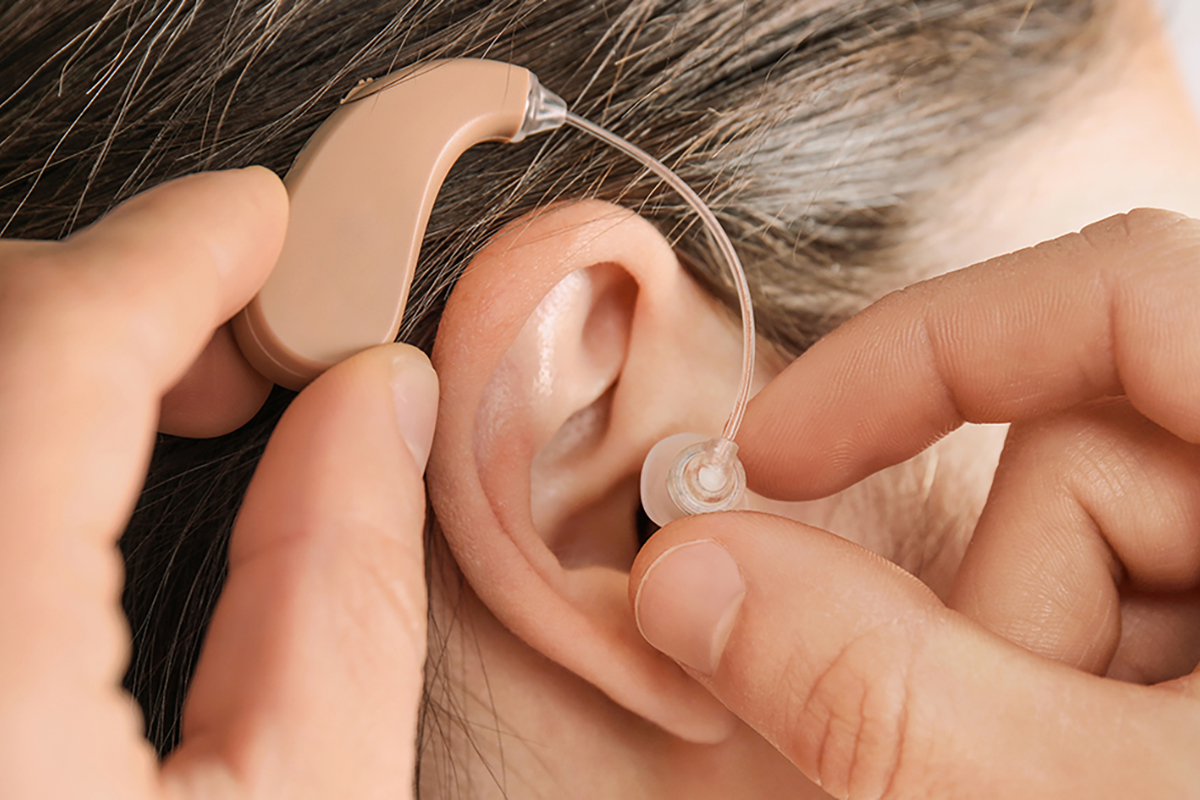
How Hearing Aids Work. Hearing aids have come a long way from simple sound amplifiers to intelligent, connected devices that can transform the listening experience for people with hearing loss.
Whether you’re considering hearing aids for yourself or a loved one, understanding how they work and the cutting‑edge technology available in 2026 can help you make informed decisions and enjoy better communication, safety, and quality of life.
In this article, we’ll explore the basics of hearing aid function, the key components inside modern devices, and the latest technology trends reshaping the landscape today.
Understanding How Hearing Aids Work
At their core, hearing aids help people with hearing loss hear more clearly by capturing sound, processing it, and delivering amplified audio to the eardrum. While designs vary, most modern hearing aids follow a similar signal pathway:
- Sound Capture: Tiny microphones on the hearing aid pick up sound from the environment, converting acoustic noise into electrical signals.
- Signal Processing: A digital processor analyzes and modifies the sound. It can amplify desired sounds (like speech) and reduce background noise.
- Amplification: The processed signal is boosted in volume to a level that matches the user’s hearing‑loss profile.
- Output: A receiver (often called a speaker) transforms the amplified electrical signal back into sound waves and delivers them into the ear canal.
- Personalization: Modern aids can be fine‑tuned based on frequency response and user preferences, ensuring speech clarity and comfort.
This basic signal flow has been significantly enhanced by digital technologies, making hearing aids more precise and effective than ever before.
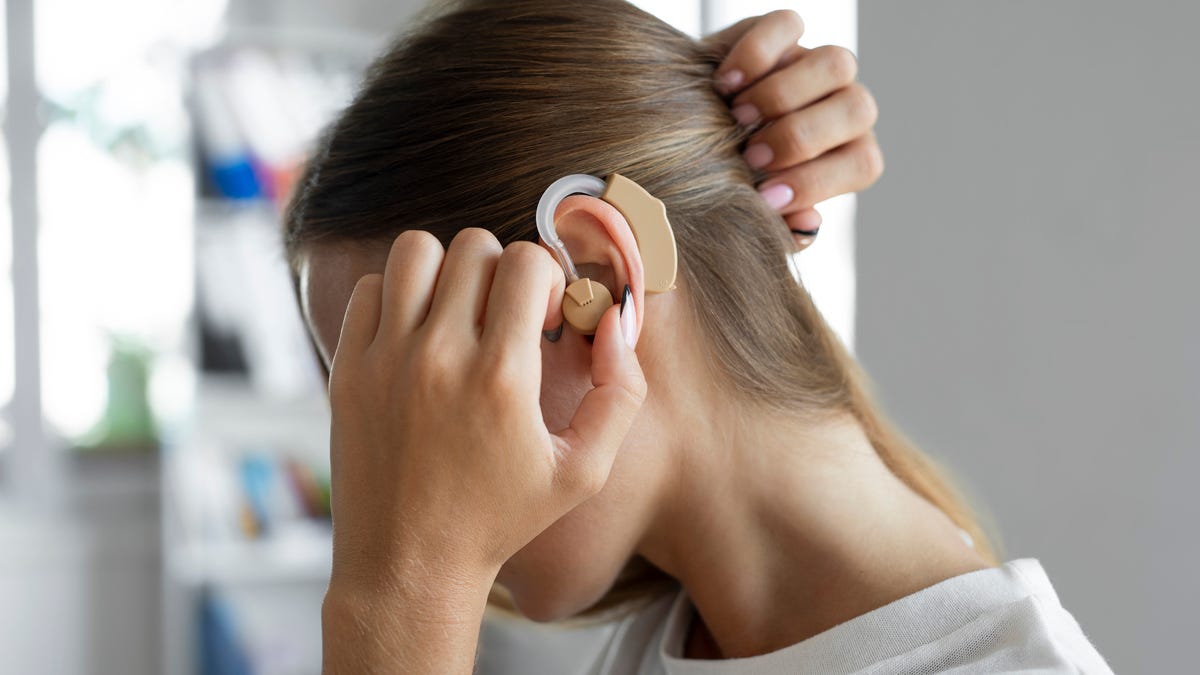
Digital Signal Processing: The Heart of Modern Hearing Aids
Most hearing aids today use digital signal processing (DSP) rather than analog amplification. DSP allows the device to digitally analyze incoming sound in real time, apply complex algorithms, and make nuanced adjustments tailored to the user’s unique hearing profile.
Why It Matters
With digital processing, hearing aids can:
- Distinguish speech from noise and suppress unwanted background sounds.
- Adjust frequency response to match audiometric patterns so voices and important sounds are more audible.
- Provide multiple listening programs for different environments (like quiet rooms, restaurants, or outdoor spaces).
- Store individualized settings that adapt over time.
DSP transforms sound into a digital format that can be precisely shaped for clarity and comfort—something analog devices simply can’t match.
Advanced Features Defining Hearing Aid Technology in 2026
Hearing aids in 2026 are not just amplifiers; they’re smart, connected, and adaptive devices. These innovations aim to improve sound quality, usability, battery life, and personalization.
1. Connectivity and Bluetooth Integration
Modern hearing aids can now connect wirelessly to phones, TVs, and other devices using Bluetooth‑based standards. One of the biggest developments is Bluetooth LE Audio and Auracast compatibility, allowing hearing aids to stream audio directly from smartphones, tablets, TVs, and even public audio systems without special accessories.
This means you can:
- Stream phone calls and music directly to your hearing aids.
- Receive audio from smart TVs and computers.
- Connect to future audio broadcasts in venues like airports and theaters via Auracast.
These features improve convenience and make hearing devices part of your everyday digital life.
2. Rechargeable Batteries and Power Efficiency
Gone are the days of constantly changing tiny disposable batteries. Modern hearing aids increasingly use rechargeable lithium‑ion batteries, offering:
- All‑day or multi‑day battery life on a single charge.
- Portable charging cases similar to earbuds.
- Fast charging for quick top‑ups when time is limited.
Improved power efficiency means hearing aids can support advanced features like streaming and adaptive processing without sacrificing battery life.
3. Artificial Intelligence and Adaptive Sound
Artificial intelligence (AI) is rapidly becoming central to hearing aid performance. AI‑enabled devices can:
- Learn user preferences over time, adjusting gain and frequency settings based on how you like to hear sounds like TV or conversation.
- Distinguish between speech and noise, making listening in challenging environments easier by prioritizing the sounds you care about.
- Automatically adapt to changing acoustic conditions.
Some research prototypes even explore deep neural networks and advanced models to personalise amplification more precisely than ever before, improving speech intelligibility and audio quality.
4. Paired Apps and User Control
Companion smartphone apps are now standard, giving users greater control and convenience. These apps can:
- Adjust volume and program settings.
- Track usage patterns and suggest personalized settings.
- Enable remote adjustments with your audiologist.
- Display battery status and device diagnostics.
This connected ecosystem makes hearing aids easier to use and tailor to your daily life.
5. Remote and Teleaudiology Support
In 2026, many manufacturers and clinics offer remote hearing aid adjustments via secure apps. Instead of visiting a clinic in person, users can send data or request fine‑tuning:
- Audiologists can adjust settings remotely based on feedback.
- Users receive timely support without travel or appointments.
This trend makes follow‑up care more efficient and accessible.
6. Miniaturisation and Custom Fit
Hearing aids are becoming smaller and more discreet due to advances in miniaturisation and 3D ear scanning. Modern devices can be:
- Invisible or nearly invisible inside the ear canal.
- Custom‑molded for better comfort and retention.
- Lightweight and ergonomic for all‑day wear without irritation.
Custom‑fit devices also help improve performance by providing a better acoustic seal and reducing unwanted feedback.
7. Enhanced Noise Management
New models of hearing aids feature advanced noise cancellation and wind reduction technologies. These digital enhancements help:
- Reduce unwanted environmental noise.
- Improve speech clarity in crowds or outdoor settings.
- Maintain natural sound quality even in dynamic environments.
These tools aim to make everyday activities like dining out, walking in wind, or listening to conversations significantly more comfortable.
Health Monitoring and Added Safety Features
Hearing aids are increasingly being designed as health‑monitoring tools, not just hearing devices. Some advanced models now include:
- Fall detection and emergency alerts for older users.
- Integration with wearable health devices like fitness trackers.
- Data sharing with healthcare providers to help monitor trends in hearing and wellness.
These expanded roles make hearing devices part of a larger ecosystem promoting overall health and safety.
Real‑Ear Measurement and Precision Fitting
Accurate fitting is crucial for effective hearing aid use. Modern audiology employs advanced tools like:
- Real‑ear measurement systems that evaluate how the hearing aid performs in your actual ear.
- AI‑assisted assessment tools to fine‑tune amplification settings with precision.
- App‑based and in‑clinic tests that ensure a tailored fit for your unique hearing profile.
These technologies enhance the value of precision hearing care, improving outcomes and satisfaction.
Connectivity Beyond Phones: Smart Devices and Assistants
Hearing aids don’t just connect to phones. Many devices now work with:
- Smart home speakers (e.g., Alexa, Google Assistant).
- Televisions and Bluetooth‑enabled media players.
- Future public audio systems supporting Auracast broadcasting.
This expands the usefulness of hearing aids, turning them into multifunctional hearing devices that integrate seamlessly with the technologies you use every day.
Future Possibilities and Emerging Trends
Looking beyond today’s technology, the hearing aid landscape continues to evolve:
- Researchers are exploring audio‑visual synchronization and noise suppression using models that incorporate visual cues alongside audio signals to improve speech understanding in complex environments.
- Experimental systems using mobile phones as microphone inputs can provide supplemental acoustic support without extra devices.
- Emerging AI‑based fitting advisors can help tailor device settings through interactive adaptive systems.
These innovations hint at a future where hearing support becomes more intuitive, personalised, and integrated into everyday life.
Choosing the Right Hearing Aid Technology
When considering a hearing aid, it’s important to remember that technology should match your needs:
- People with mild hearing loss may benefit from discreet, Bluetooth‑enabled devices with connected features.
- Individuals with moderate to severe hearing loss often require powerful processing and custom fitting.
- Users who value lifestyle convenience may prioritize rechargeable batteries, streaming capabilities, and app control.
Audiologists can help determine the most appropriate technology based on your audiogram, lifestyle, and communication goals.
Conclusion: Hearing Aids in 2026 and Beyond
Hearing aids have transformed from basic sound amplifiers into smart, connected, and adaptive tools that improve listening experiences, communication, and quality of life. With advancements like AI‑driven processing, Bluetooth LE Audio and Auracast streaming, rechargeable batteries, remote adjustments, and precision fitting technologies, today’s devices offer an unprecedented level of performance and convenience.
Whether you’re just beginning your hearing aid journey or updating older technology, understanding how modern devices work helps you make better choices and stay engaged with innovations that can enhance your hearing and daily life.
About the Author


