

Make Mushroom Carnitas and Banana Peel ‘Meat’, The culinary world is currently witnessing a massive shift toward creative, plant-based alternatives that do not sacrifice flavor.
Modern home cooks are looking for ways to reduce food waste while enjoying hearty, satisfying meals. Two of the most exciting innovations in this space involve using mushrooms and, surprisingly, banana peels.
These ingredients can mimic the texture of slow-cooked meats with incredible accuracy. This guide will teach you how to transform these humble plants into gourmet-style “carnitas” and “shredded meat.”
The Magic of Plant-Based Textures
Mushrooms have long served as a staple for those seeking a savory, umami-rich meat substitute. Their fibrous structure allows them to crisp up perfectly while remaining tender on the inside. On the other hand, banana peels have recently emerged as a sustainable superstar in the kitchen. When prepared correctly, the inner lining of the peel takes on a texture nearly identical to pulled pork. These recipes prove that you can create a feast using ingredients you might otherwise discard.
Crafting the Perfect Mushroom Carnitas
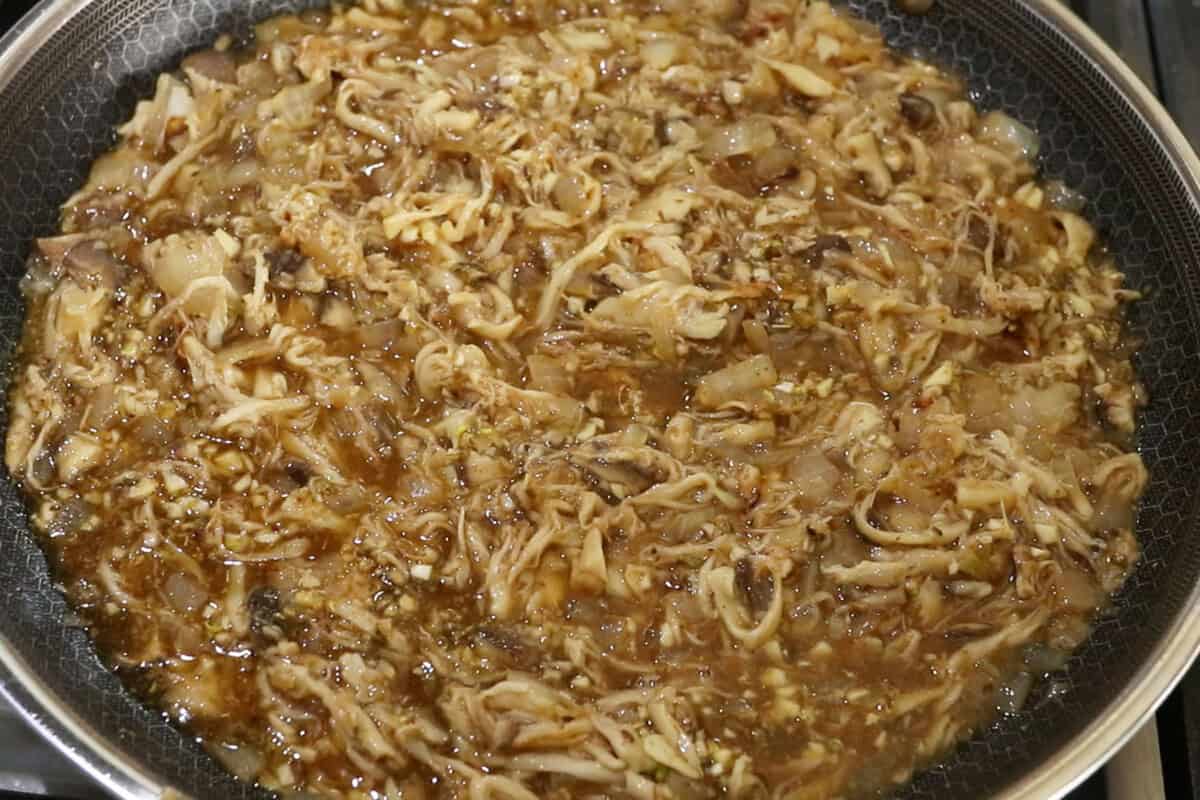
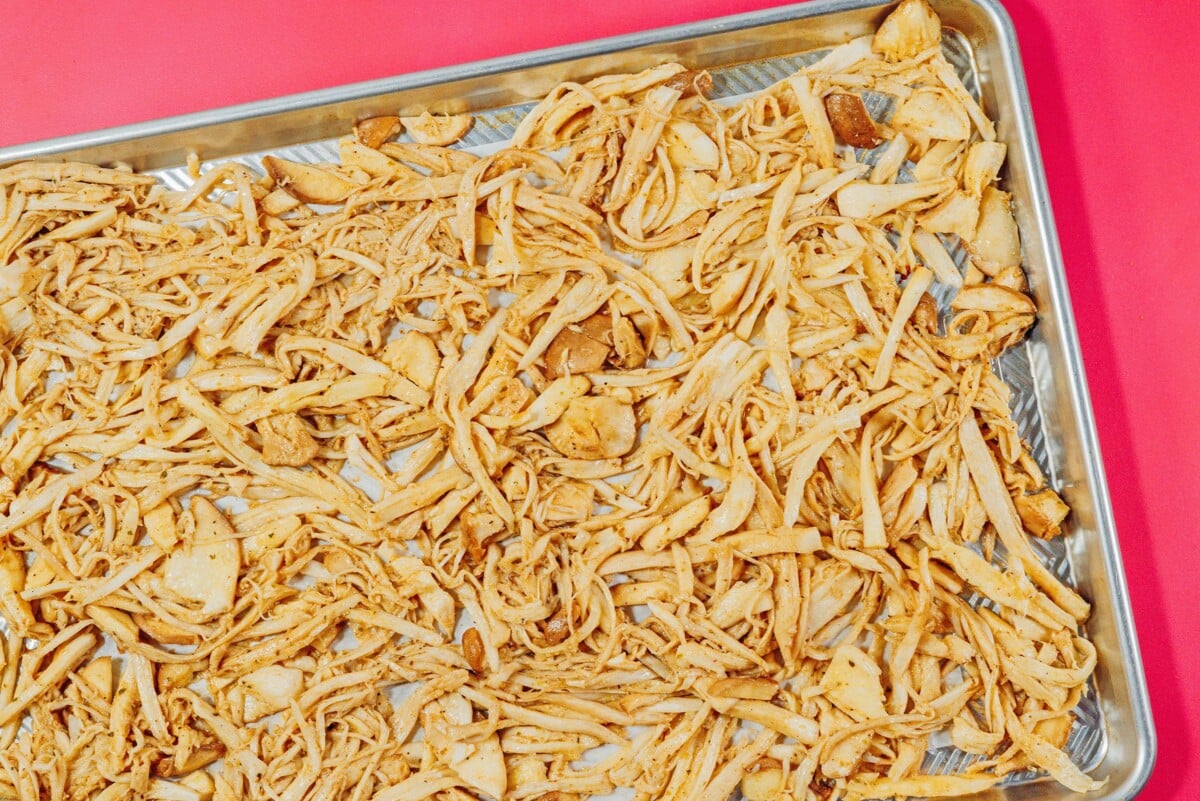
To achieve the best results, you should use King Oyster mushrooms or large Portobellos for their thick stems. These varieties provide the “shred” that is essential for a convincing carnitas experience. Start by cleaning your mushrooms with a damp cloth rather than soaking them in water. Mushrooms act like sponges and will become rubbery if they absorb too much liquid before cooking. Once clean, use a fork to shred the stems into long, thin strips.
Seasoning for Authentic Flavor
Authentic carnitas rely on a specific blend of citrus, spice, and fat to reach their iconic taste profile. Toss your shredded mushrooms in a bowl with olive oil, smoked paprika, cumin, and dried oregano. Add a generous splash of fresh orange juice and lime juice to provide that essential brightness. This acidity helps break down the mushroom fibers and infuses them with deep, Mexican-inspired flavors. In addition, a pinch of cinnamon can add a surprising depth that mimics traditional pork recipes.
Cooking Techniques for Crispy Edges
The secret to great carnitas is the contrast between the juicy interior and the crispy, charred exterior bits. Heat a large cast-iron skillet over medium-high heat with a tablespoon of high-heat oil. Spread the mushrooms in a single layer and let them sear without moving them for several minutes. This undisturbed contact with the hot pan creates the Maillard reaction necessary for deep flavor. Furthermore, finishing them under a broiler for three minutes can add that final crunch.
Serving Your Mushroom Masterpiece
Warm up some corn tortillas and prepare a fresh salsa verde or a classic pico de gallo. Top the mushrooms with diced white onions, fresh cilantro, and a squeeze of lime juice. The earthy flavor of the mushrooms pairs beautifully with the sharp bite of the raw onions. You can also add a dollop of cashew crema for a rich, cooling finish. What’s interesting is how well these mushrooms hold their texture even when piled high with toppings.
The Revolutionary World of Banana Peel ‘Meat’
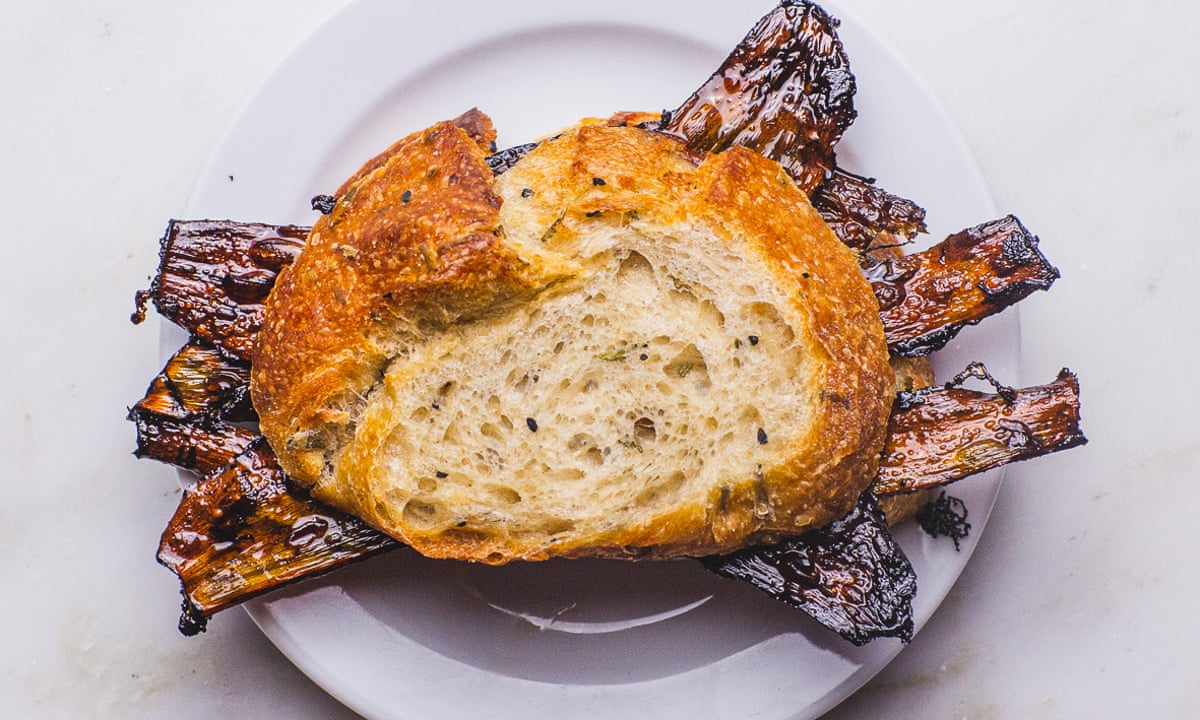
Many people are shocked to learn that banana peels are entirely edible and highly nutritious when cooked. They contain high amounts of fiber, potassium, and antioxidants that benefit your overall health. To make “meat” from peels, you must use very ripe bananas with plenty of brown spots. These skins are thinner, sweeter, and much easier to work with than green, starchy peels. This method is the ultimate way to embrace a zero-waste lifestyle in your own kitchen.
Preparation and Bitterness Removal
Start by thoroughly washing your organic bananas to remove any dirt or natural wax from the exterior. After eating the fruit, use a spoon to scrape away the white pith from the inside of the peel. This step is crucial because the pith carries a bitter taste that can overwhelm your dish. Once cleaned, use a fork to shred the peels into thin ribbons, similar to the mushroom process. In addition, soaking the shredded peels in ice water for ten minutes can further neutralize any remaining bitterness.
Marinating Your Banana Peel Pulled ‘Pork’
The neutral flavor of the banana peel makes it an incredible vessel for bold, smoky barbecue sauces. Create a marinade using soy sauce, maple syrup, liquid smoke, and a dash of garlic powder. Let the shredded peels sit in this mixture for at least thirty minutes to absorb the savory notes. This transition from sweet fruit skin to savory “meat” is truly one of the wonders of plant-based cooking. However, ensure you do not over-marinate, as the peels can become too soft if left for hours.
Sautéing for the Perfect Chew
Heat a non-stick pan with a small amount of oil and add your marinated banana peels. Cook them over medium heat until they become dark, tender, and slightly caramelized around the edges. The sugars in the marinade will help the peels develop a sticky, barbecue-style glaze. You will notice the texture transform from slippery to chewy as the moisture evaporates from the pan. Furthermore, adding a splash of vegetable broth can help soften any thicker pieces that remain tough.
Advanced Flavor Profiles for Plant-Based Meats
Once you master the basic techniques, you can begin experimenting with different international flavor profiles. For a Mediterranean twist, use lemon juice, rosemary, and plenty of minced garlic with your mushrooms. For a spicy Asian-inspired dish, toss your banana peels in ginger, sriracha, and toasted sesame oil. These ingredients are incredibly versatile and act as a blank canvas for your culinary imagination. In addition, adding a tablespoon of nutritional yeast can provide a “cheesy” umami boost to either recipe.
Balancing Nutrition and Satisfaction
While these alternatives are delicious, it is important to remember that they are lower in protein than traditional meat. Consider serving your mushroom carnitas alongside a bowl of seasoned black beans or pinto beans. You can also sprinkle hemp seeds or pumpkin seeds over your banana peel tacos for an extra nutrient hit. This ensures your meal is not only environmentally friendly but also physically sustaining for your body. Consequently, you can enjoy these “coolcation” style meals knowing they support a healthy and active lifestyle.
Sustainability and the Future of Food
Reducing food waste is one of the most impactful things an individual can do for the planet. By using banana peels, you are keeping organic matter out of landfills where it would produce methane. Mushrooms are also an eco-friendly crop, requiring very little water and land compared to livestock. Modern agriculture is increasingly leaning toward these types of regenerative and resourceful food sources. Choosing to cook with these ingredients sends a powerful message about the future of our food system.
Sharing the Joy of Zero-Waste Cooking
Hosting a dinner party featuring these plant-based meats is a great way to start conversations about sustainability. Most guests will be fascinated by the process of turning a banana peel into a savory taco filling. It challenges the traditional notions of what is considered “trash” versus “treasure” in the kitchen. You can provide small printed recipe cards so your friends can try these techniques at home. Furthermore, the vibrant colors of these dishes make them incredibly photogenic for your social media feed.
Final Tips for Kitchen Success
Always use a high-quality, heavy-bottomed pan to ensure even heat distribution during the searing process. If your mushrooms seem too dry, add a small splash of water or broth to create a bit of steam. For the banana peels, remember that the riper the banana, the better the final texture will be. Do not be afraid to use a heavy hand with spices, as these ingredients love to be seasoned. Transitioning to a more plant-focused diet is a journey of discovery and flavor.
The Endless Possibilities of Plants
Whether you are a lifelong vegan or a curious meat-eater, these recipes offer something truly unique. The combination of mushroom carnitas and banana peel meat provides a variety of textures and tastes in one meal. You can mix them together in a “loaded” burrito or serve them as separate components of a taco bar. The only limit to these recipes is your own willingness to experiment with new ideas. Embrace the change and enjoy the delicious rewards of creative, sustainable cooking.
About the Author


