
Agentic AI in 2026, The digital landscape has shifted from passive tools to active partners in 2026. We no longer just use artificial intelligence to generate text or images. Instead, we deploy agentic AI systems that reason, plan, and execute complex tasks independently. This evolution marks the most significant change in personal productivity since the invention of the internet.
Agentic AI represents a move away from simple “prompt-and-response” interactions. These new systems understand long-term goals rather than just immediate commands. They can navigate software, manage schedules, and coordinate with other agents to finish projects. Consequently, the barrier between human intent and digital execution has finally disappeared.
What is interesting is how these agents have integrated into our daily routines. They act as invisible assistants that handle the “boring” parts of professional life. This allows creative thinkers to focus on high-level strategy and innovation. Furthermore, the reliability of these autonomous systems has reached a critical tipping point for global adoption.

The Architecture of Autonomy and Reasoning
Modern agentic AI relies on a sophisticated “loop” of thinking and acting. Traditional AI often suffered from hallucinations or logical dead ends during long tasks. In 2026, agents use advanced reasoning chains to verify their own steps. They constantly check their progress against the user’s original objective to ensure accuracy.
These systems possess a unique ability to use digital tools just like humans do. An agent can open a web browser, log into a project management tool, and update a budget. It understands the context of each application and how they interact. In addition, it can learn new software interfaces simply by observing a short demonstration.
Furthermore, multi-agent orchestration has become a standard feature in high-end workflows. You might have one agent specialized in data analysis and another in graphic design. These agents communicate with each other to produce a finished report without your constant supervision. This collaborative approach multiplies the output of a single individual tenfold.
Memory and Personalization in the Modern Era
A major breakthrough in 2026 is the implementation of persistent, long-term memory. Early AI models forgot your preferences as soon as the chat window closed. Today, agents maintain a secure “knowledge base” of your specific work style and history. They remember your favorite fonts, your meeting preferences, and even your professional network.
This deep personalization allows the agent to anticipate your needs before you speak. If you have a recurring Friday meeting, your agent prepares the agenda and brief beforehand. It uses past successful projects as templates for new assignments to maintain consistency. What’s interesting is how these agents adapt to your evolving career goals over time.
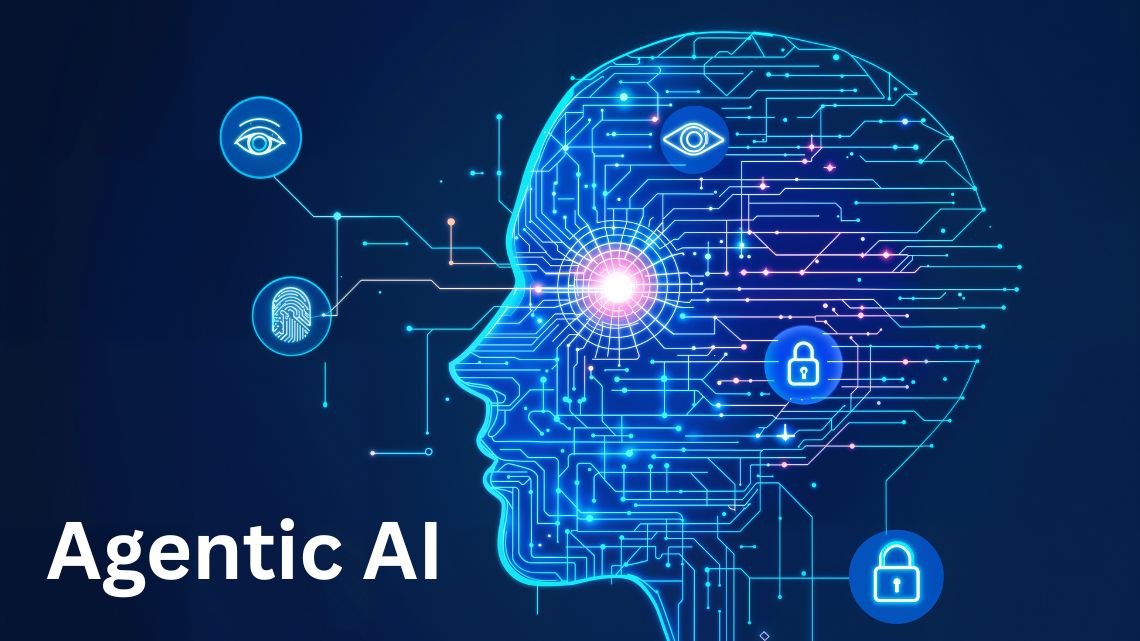
However, privacy remains the foundation of this memory-driven technology. Most agentic systems now run on local hardware or within encrypted private clouds. You retain total control over what the agent remembers and what it ignores. This balance of intelligence and security has built the trust necessary for professional integration.
Transforming Business Operations Through Agency
Business workflows have undergone a total transformation thanks to autonomous digital agents. In the past, companies spent millions on rigid automation software that broke easily. Now, agents handle dynamic processes that require human-like judgment and flexibility. They manage supply chains, customer support, and even complex legal compliance checks.
Sales teams use agents to research leads and draft hyper-personalized outreach at scale. These agents monitor social media and news feeds to find the perfect timing for a pitch. Once a lead responds, the agent can handle the initial scheduling and basic questions. Consequently, human sales reps spend their time exclusively on closing high-value deals.
In addition, marketing departments utilize agents to run continuous A/B tests on live campaigns. The agent observes real-time performance data and adjusts ad copy or spend instantly. It doesn’t wait for a weekly review meeting to fix a failing advertisement. This “live optimization” ensures that marketing budgets produce the highest possible return on investment.
The Rise of the AI-Enhanced Entrepreneur
Solo entrepreneurs are the biggest beneficiaries of the agentic revolution in 2026. A single person can now run a global company with the help of a dedicated agent swarm. These agents handle bookkeeping, social media management, and technical website maintenance around the clock. This levels the playing field between small startups and massive corporations.
What’s impressive is the ability of agents to conduct deep market research. An entrepreneur can ask an agent to find a gap in the current e-commerce market. The agent will analyze thousands of competitor reviews and search trends to provide a report. Furthermore, it can draft a product roadmap and find potential manufacturing partners.
In addition, customer service agents provide 24/7 support that feels genuinely human. They can resolve refunds, track shipments, and troubleshoot technical issues without human intervention. This high level of service was previously impossible for small businesses to afford. Now, it is a standard expectation for every digital storefront.
Streamlining Personal Productivity and Life Management
Outside of the office, agentic AI has become the ultimate personal concierge. We use agents to manage the logistical friction of modern life, from travel to healthcare. An agent can plan a three-week international trip based on your budget and interests. It books flights, secures dinner reservations, and even handles visa applications automatically.
Managing a household has also become significantly easier with autonomous digital help. Agents track grocery inventories and order supplies before you run out of essential items. They can negotiate with service providers to lower your monthly internet or insurance bills. However, they always ask for your final approval before committing to a financial transaction.
Furthermore, educational agents act as private tutors for both children and adults. They design custom curriculums based on your learning speed and preferred media types. If you struggle with a concept, the agent finds a different way to explain it. This personalized approach to lifelong learning has accelerated skill acquisition across the globe.
Managing the Digital Deluge of Information
Information overload was a major problem in the early 2020s, but agents have solved it. We no longer spend hours sifting through hundreds of emails or news articles every day. Agents read, summarize, and prioritize all incoming data based on your current projects. They highlight what is urgent and archive what is merely a distraction.
What’s interesting is how agents can “ghostwrite” initial drafts for your routine communications. You simply provide a few bullet points, and the agent crafts a professional email in your voice. It ensures you maintain the correct tone for each specific recipient in your network. In addition, it flags potential scheduling conflicts before you even see the invite.
Furthermore, research agents can dive deep into complex topics to provide comprehensive briefs. If you need to understand a new government regulation, the agent synthesizes multiple sources. It provides a clear summary of how the change affects your specific business or life. This high-speed synthesis allows you to make better decisions in a fraction of the time.
Future Outlook: Ethical Agency and Human Choice
As we look toward the end of the decade, the focus has shifted toward ethical agency. Developers are building “safety rails” directly into the reasoning cores of these autonomous systems. This ensures that agents remain helpful and harmless while pursuing their assigned goals. We are moving toward a future where AI agency is both powerful and predictable.
The role of the human has shifted from “doer” to “director” in the modern workflow. We provide the vision, the ethics, and the final decision-making power for every project. The agents provide the tireless execution and the vast computational power to make it happen. This synergy between human intuition and machine agency defines the era of 2026.
Ultimately, agentic AI is about reclaiming our most precious resource: time. By delegating the mechanical and repetitive tasks, we free ourselves for deep work and connection. The revolution is not about replacing humans, but about amplifying what we can achieve. Happy exploring in this new world of autonomous digital partnerships.
About the Author


