

What is Ambient IoT? Transforming Smart Cities and Offices, The digital world is currently undergoing a massive invisible revolution known as Ambient IoT. We are moving away from bulky devices that require frequent charging or expensive battery replacements.
Instead, we are entering an era of tiny, battery-less sensors that blend into the environment. These devices harvest energy from the surrounding air to power themselves and transmit data.
Ambient IoT represents the next massive leap in connectivity for our global infrastructure. It allows us to connect trillions of ordinary objects to the internet at a minimal cost. Imagine a world where every shipping container, office chair, and streetlamp has its own digital identity. This technology makes such a vision possible without creating a massive wave of electronic waste.
What is interesting is how these devices actually function without a traditional power source. They capture energy from radio waves, light, or even subtle temperature changes in the room. This constant stream of power allows them to operate indefinitely without any human intervention. Furthermore, the integration of these sensors is rapidly changing how we manage our urban and professional spaces.

The Technical Foundation of Battery-Free Connectivity
The core of Ambient IoT lies in its ability to operate on extremely low power levels. Traditional IoT devices often struggle with energy efficiency because they use power-hungry Bluetooth or Wi-Fi modules. In contrast, ambient sensors use specialized backscatter technology to reflect existing signals back to a receiver. This process requires a fraction of the energy used by a standard smartphone or laptop.
Engineers have developed sophisticated energy-harvesting circuits that fit onto a tiny silicon chip. These chips can be as thin as a postage stamp and flexible enough to wrap around curves. They often incorporate a small antenna that acts as both a power receiver and a data transmitter. In addition, new communication standards like Bluetooth 6.0 are specifically designed to support these low-energy tags.
Furthermore, the software side of Ambient IoT has become incredibly efficient at processing intermittent data. Since energy harvesting can fluctuate, the devices are designed to “wake up” only when they have enough power. They quickly transmit their payload and then go back into a deep sleep state instantly. This cycle ensures that they provide a steady flow of information without ever needing a plug.
Scaling to Trillions of Connected Points
The true power of this technology emerges when we consider the sheer scale of deployment. Unlike expensive smartphones, ambient tags cost only a few cents to manufacture in large quantities. This low price point allows companies to track individual items rather than just bulk pallets. Every piece of clothing in a store or every tool in a factory can become “smart.”
What is surprising is the minimal impact these devices have on the environment compared to batteries. Millions of batteries end up in landfills every year, causing significant chemical pollution and waste. Ambient IoT eliminates this problem by using sustainable materials and avoiding toxic lithium-ion components. Consequently, it represents a much greener path forward for the global tech industry.
In addition, the installation process for these sensors is remarkably simple for any business. You can literally peel and stick these tags onto any surface within a matter of seconds. There is no need for complex wiring or professional electrical work to get the system running. This ease of use accelerates the adoption of smart technology across many traditional industries.
Revolutionizing the Urban Landscape of Smart Cities
Smart cities rely on real-time data to improve the quality of life for every citizen. Ambient IoT provides the “nervous system” for these urban environments by monitoring everything from air quality to traffic. Thousands of sensors can be hidden in pavement, signage, and public benches to collect vital information. This data helps city planners make better decisions about resource allocation and public safety.
Traffic management is one area where ambient sensors are making a massive daily impact. Tags embedded in parking spaces can alert drivers to open spots via a smartphone app instantly. This reduces the time people spend circling blocks and lowers overall carbon emissions in the city. Furthermore, sensors on bridges and tunnels can monitor structural health and detect cracks before they become dangerous.
What is interesting is how these sensors help manage the urban water supply more effectively. Leaky pipes cost cities millions of gallons of wasted water and high repair bills every year. Ambient sensors can detect moisture levels and pressure changes in the underground infrastructure without needing battery changes. Consequently, utility companies can fix small leaks before they turn into massive, expensive water main breaks.
Improving Public Safety and Emergency Response
Emergency services are also benefiting from the widespread deployment of ambient technology in cities. Firefighters can use indoor location tags to navigate smoke-filled buildings where GPS signals fail to penetrate. These tags can even transmit local temperature data to help responders avoid dangerous flashover conditions. This real-time visibility saves lives and protects the brave men and women in uniform.
In addition, ambient sensors can monitor the noise levels and crowd density in public squares. This allows local law enforcement to identify potential incidents or overcrowding before they escalate into chaos. Smart street lighting can also adjust its brightness based on the presence of pedestrians detected by sensors. However, these systems are designed with privacy in mind, focusing on movement rather than individual identities.
Furthermore, the environmental monitoring capabilities of these cities have reached a new peak of accuracy. Sensors can track the movement of pollen, smog, and other pollutants block by block in real-time. This information is invaluable for residents with respiratory conditions who need to plan their outdoor activities. Cities are becoming more proactive and responsive thanks to this invisible layer of ambient intelligence.
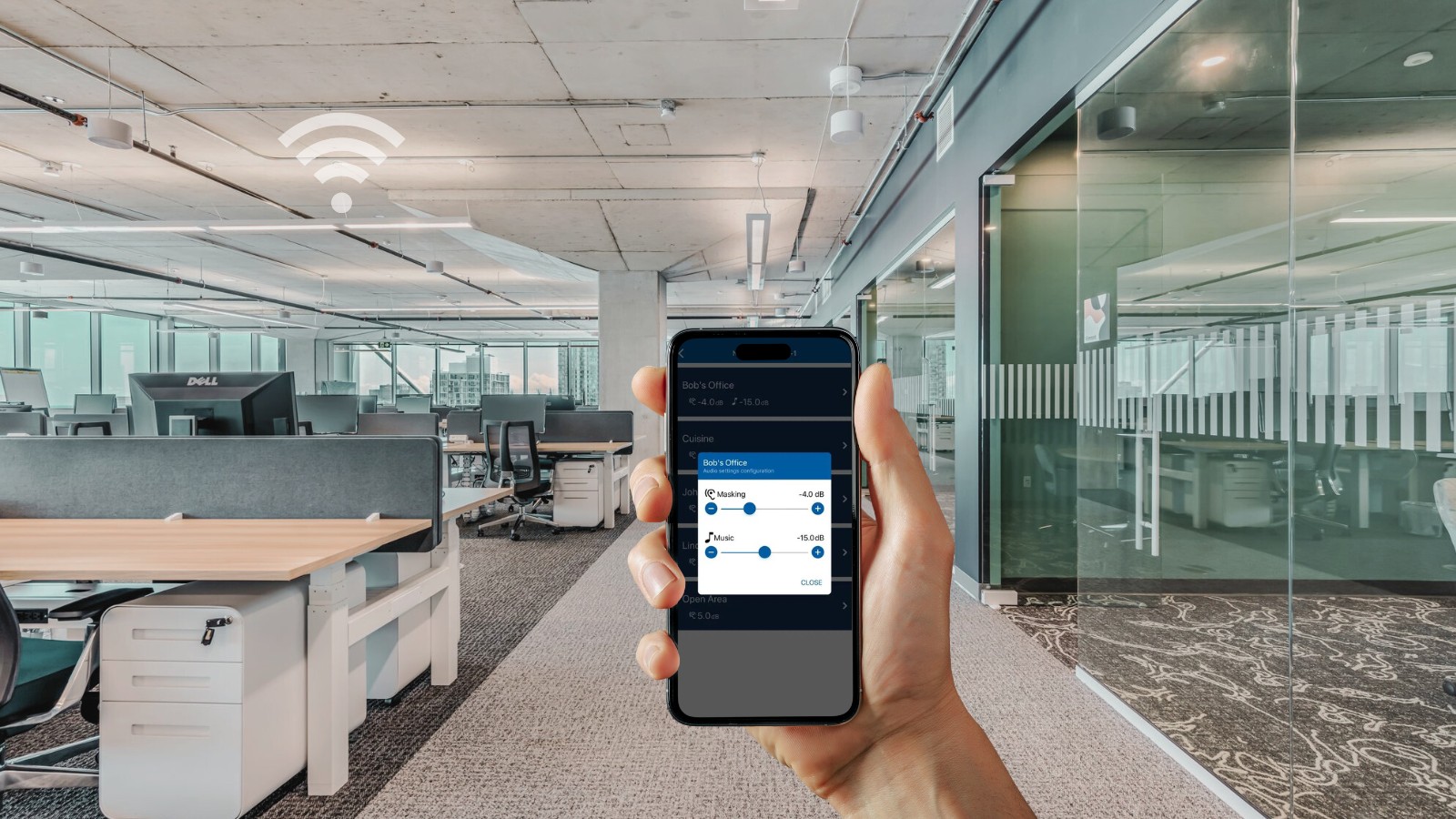
Creating the Intelligent Office of the Future
The modern office is no longer just a place to sit and work at a desk. It has become a dynamic environment that adapts to the needs of the people inside it. Ambient IoT transforms boring office buildings into highly efficient, responsive spaces that prioritize comfort and productivity. Sensors hidden in the furniture and walls track occupancy, light levels, and air quality constantly.
One major benefit for office managers is the dramatic reduction in energy waste and costs. Lights and climate control systems can automatically turn off in areas where no one is present. Unlike traditional motion sensors, ambient tags can detect the presence of a person sitting perfectly still. Furthermore, the system can adjust the temperature based on the specific preferences of the employees currently in the room.
In addition, the management of shared workspaces has become much more organized and transparent. Employees can see which desks or meeting rooms are currently occupied in real-time through a digital floorplan. This eliminates the frustration of searching for a quiet place to work in a busy hybrid office. What is interesting is how the data helps companies right-size their real estate holdings based on actual usage.
Enhancing Employee Wellness and Workplace Ergonomics
Employee health is a major focus for companies looking to retain top talent in a competitive market. Ambient sensors can monitor the CO2 levels in conference rooms to prevent the “afternoon slump” caused by poor ventilation. If the air quality drops, the building’s ventilation system ramps up automatically to provide fresh oxygen. This simple adjustment keeps teams focused, energized, and much more productive throughout the workday.
What’s impressive is how these sensors can even assist with physical health and posture. Tags in office chairs can provide subtle reminders to stand up or adjust your sitting position. This helps reduce the long-term strain on the back and neck caused by prolonged computer work. In addition, ambient lighting can mimic natural circadian rhythms to help maintain the body’s internal clock.
Furthermore, the maintenance of office equipment has become a proactive rather than reactive task. Sensors on coffee machines, printers, and elevators can detect unusual vibrations or temperature spikes before a failure. Facilities teams receive an alert to perform maintenance before the machine actually breaks down and causes an interruption. This ensures that the office remains a functional and supportive environment for everyone.
The Future Path of Global Ambient Integration
As we look toward the next decade, the presence of Ambient IoT will only grow stronger. We are moving toward a reality where every manufactured object is born with a digital identity. This creates a “circular economy” where we can track products from the factory to the recycling center. Every material can be identified and sorted correctly to ensure that nothing of value goes to waste.
The integration of artificial intelligence with ambient data will unlock even more powerful capabilities for society. AI models can analyze the massive streams of sensor data to predict urban trends years in advance. We will be able to design more resilient cities that can withstand climate change and population growth. The invisible data layer will become as fundamental to our lives as electricity or running water.
Ultimately, Ambient IoT is about making our world more efficient, sustainable, and much more intelligent. It bridges the gap between the physical world and the digital cloud in a seamless way. By removing the burden of batteries, we are finally unlocking the true potential of a connected planet. Happy exploring in this new world where the environment itself is finally beginning to speak to us.
About the Author


