

Smart Hearing Aids. Hearing loss affects millions of people worldwide, and the hearing aid industry has rapidly evolved to meet the diverse needs of those experiencing hearing challenges.
Gone are the days when hearing aids were simple amplification devices. Today, smart hearing aids combine advanced technology, artificial intelligence, and wireless connectivity to deliver personalized sound, convenience, and a seamless digital experience.
In this article, we’ll explore what smart hearing aids are, their key features, how apps enhance functionality, and the growing role of connectivity in modern hearing solutions.
What Are Smart Hearing Aids?
Smart hearing aids are sophisticated devices that go beyond traditional amplification. While classic hearing aids simply make sounds louder, smart devices analyze, process, and adapt sound in real time, providing a tailored listening experience.
Unlike older models, smart hearing aids are equipped with:
- Digital signal processing (DSP) for accurate sound management.
- Bluetooth or wireless connectivity to link with smartphones, TVs, and other devices.
- AI and adaptive features that learn user preferences over time.
The goal is not just to make sounds louder but to improve speech clarity, reduce background noise, and enhance the overall listening experience, whether in a quiet living room, a busy restaurant, or a crowded street.
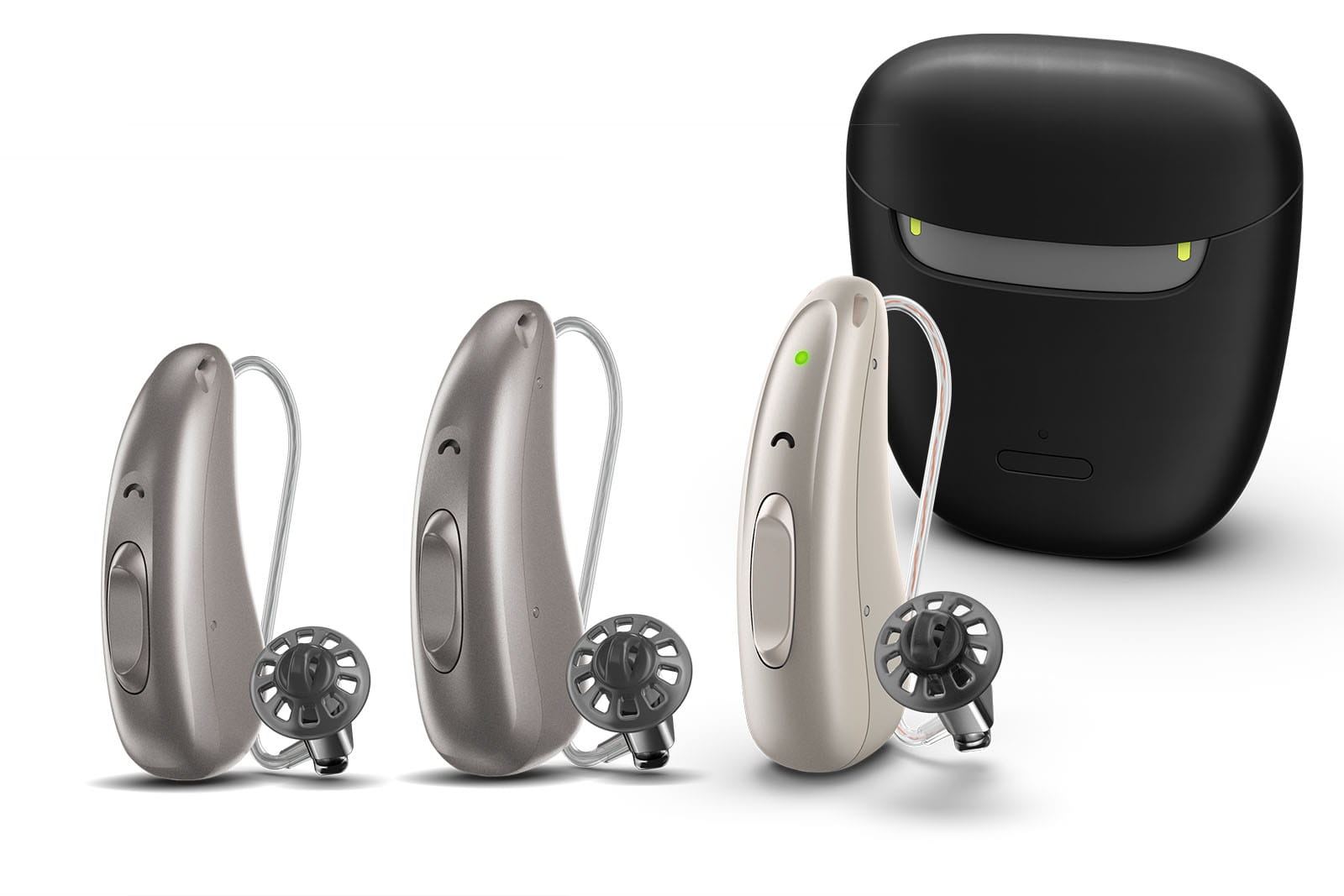
Key Features of Smart Hearing Aids
Modern smart hearing aids are packed with advanced features that cater to comfort, convenience, and superior audio quality. Here’s a closer look at some of the most important ones:
1. Digital Signal Processing (DSP)
At the core of every smart hearing aid is digital signal processing. DSP allows the hearing aid to:
- Analyze incoming sounds.
- Amplify speech frequencies while reducing background noise.
- Adjust volume automatically based on environmental conditions.
This technology is particularly important in noisy environments like restaurants or public transportation, where traditional hearing aids often struggle to distinguish conversation from ambient noise.
2. Artificial Intelligence (AI) Integration
AI in hearing aids is revolutionizing the user experience. Smart devices use AI to:
- Learn user preferences over time, adapting settings based on how and where you listen.
- Identify speech versus noise, prioritizing important sounds like voices.
- Provide automatic adjustments for different environments without manual input.
For example, AI-enabled hearing aids can switch from a “quiet room” mode to a “crowded outdoor” mode automatically, giving users optimal sound clarity at all times.
3. Noise Reduction and Directional Microphones
Modern smart hearing aids use multi-channel microphones to improve speech understanding in noisy surroundings. Directional microphones can focus on sounds coming from a specific direction while reducing unwanted noise from other sources.
Noise reduction technology works in tandem with DSP and AI, creating a more natural listening experience. This feature is especially useful for social gatherings, meetings, or busy streets.
4. Rechargeable Batteries
Gone are the days of constantly replacing tiny batteries. Many smart hearing aids now feature rechargeable lithium-ion batteries, offering:
- All-day power on a single charge.
- Quick charging options for on-the-go use.
- Eco-friendly alternatives to disposable batteries.
Some rechargeable devices can even last multiple days with intermittent streaming, making them ideal for active users.
5. Telehealth and Remote Adjustments
Smart hearing aids can connect to smartphone apps, enabling remote fine-tuning by audiologists. This allows users to:
- Adjust settings without visiting a clinic.
- Receive professional updates or troubleshooting advice online.
- Track hearing performance over time.
This trend, known as teleaudiology, has grown in importance, especially for individuals with mobility issues or those living in remote areas.
6. Tinnitus Management
For users with tinnitus, many smart hearing aids include tinnitus masking features. These devices can generate soft background sounds or music to reduce the perception of ringing in the ears, improving comfort and sleep quality.
Smart Hearing Aid Apps: Control at Your Fingertips
Smart hearing aids are often paired with dedicated smartphone apps, which greatly enhance usability and personalization. These apps act as remote controls and hearing management tools, offering a variety of functions:
Personalized Sound Profiles
Apps allow users to create custom sound profiles for different situations. For example:
- A “restaurant mode” with amplified speech and noise suppression.
- A “TV mode” with balanced volume and minimal background noise.
- An “outdoor mode” that enhances directional sounds like traffic.
These profiles can be switched manually or automatically, depending on device capabilities.
Remote Fine-Tuning
Many apps allow users to adjust volume, bass, treble, and other settings directly from their smartphone. Some also let users send adjustment requests to audiologists, who can remotely update the device, eliminating the need for frequent clinic visits.
Battery and Device Monitoring
Apps provide real-time information on:
- Battery life and charging status.
- Connectivity status with phones, TVs, or other devices.
- Device diagnostics and error alerts.
This ensures that users are always aware of their device’s condition and can troubleshoot minor issues independently.
Hearing Training and Feedback
Some apps include hearing exercises and auditory training programs to help users adapt to their hearing aids more effectively. These programs can improve speech comprehension and listening comfort, especially for new users.
Connectivity: The Modern Smart Hearing Experience
Connectivity is what truly differentiates smart hearing aids from older models. Today’s devices can connect to multiple devices and ecosystems, providing a seamless listening experience.
1. Smartphone Integration
Using Bluetooth, smart hearing aids can stream:
- Phone calls directly into your ears.
- Music, podcasts, and audiobooks with high-quality sound.
- Notifications and alerts from your device.
With iOS and Android integration, users can also control hearing aid features via voice commands, making it easier to manage settings hands-free.
2. TV and Media Streaming
Smart hearing aids can connect to TVs and home entertainment systems, enabling direct streaming of audio without additional accessories. This ensures crystal-clear sound while reducing background noise, improving comprehension of dialogue and music.
3. Public Audio and Assistive Listening
The introduction of Auracast technology in 2026 has allowed hearing aids to stream audio from public venues like theaters, airports, and lecture halls. Users can receive direct audio feeds to their devices, reducing reliance on external assistive listening devices.
4. Smart Home and Voice Assistants
Many modern hearing aids can also integrate with smart home systems and voice assistants such as Alexa, Google Assistant, and Siri. This allows users to:
- Control smart home devices.
- Receive announcements or notifications directly to their hearing aids.
- Manage media playback through voice commands.
Connectivity ensures that hearing aids function as extensions of everyday technology, not just isolated devices.
Choosing the Right Smart Hearing Aid
When selecting a smart hearing aid, consider:
- Hearing loss level: Mild, moderate, or severe hearing loss may require different amplification and features.
- Lifestyle needs: Frequent travelers, outdoor enthusiasts, or tech-savvy users may prioritize connectivity and rechargeable options.
- Device size and style: Options include behind-the-ear (BTE), receiver-in-canal (RIC), in-the-ear (ITE), or completely-in-canal (CIC) designs.
- Budget: Features like AI processing, connectivity, and advanced apps can increase cost, but many insurance plans now offer partial coverage.
Consulting an audiologist ensures the device is properly fitted, personalized, and compatible with your daily life.
The Future of Smart Hearing Aids
Smart hearing aids are evolving rapidly, with exciting trends on the horizon:
- Artificial intelligence will provide even smarter sound adaptation, predicting environments before the user enters them.
- Health monitoring integration may allow hearing aids to track heart rate, steps, or detect falls.
- Enhanced teleaudiology tools will enable full hearing assessments and adjustments remotely.
- Miniaturization and invisibility will make devices smaller, lighter, and nearly invisible, without compromising functionality.
As technology advances, hearing aids are becoming more than just hearing devices—they are multifunctional wellness and connectivity tools.
Conclusion
Smart hearing aids are transforming the way people with hearing loss engage with the world. With features like AI-driven sound processing, advanced noise reduction, smartphone apps, and full connectivity to media and smart devices, these devices offer unprecedented clarity, convenience, and personalization.
By combining cutting-edge technology, wireless integration, and user-friendly apps, smart hearing aids empower individuals to communicate more effectively, stay connected, and enjoy a better quality of life. Whether you’re new to hearing aids or upgrading from an older model, understanding these features can help you choose the right device for your needs.
In 2026, smart hearing aids are no longer just tools for hearing—they are intelligent devices designed to integrate seamlessly into your digital lifestyle, ensuring that hearing challenges do not limit your engagement with the world.
About the Author


